What Happens If a Veneer Chips or Falls Off?
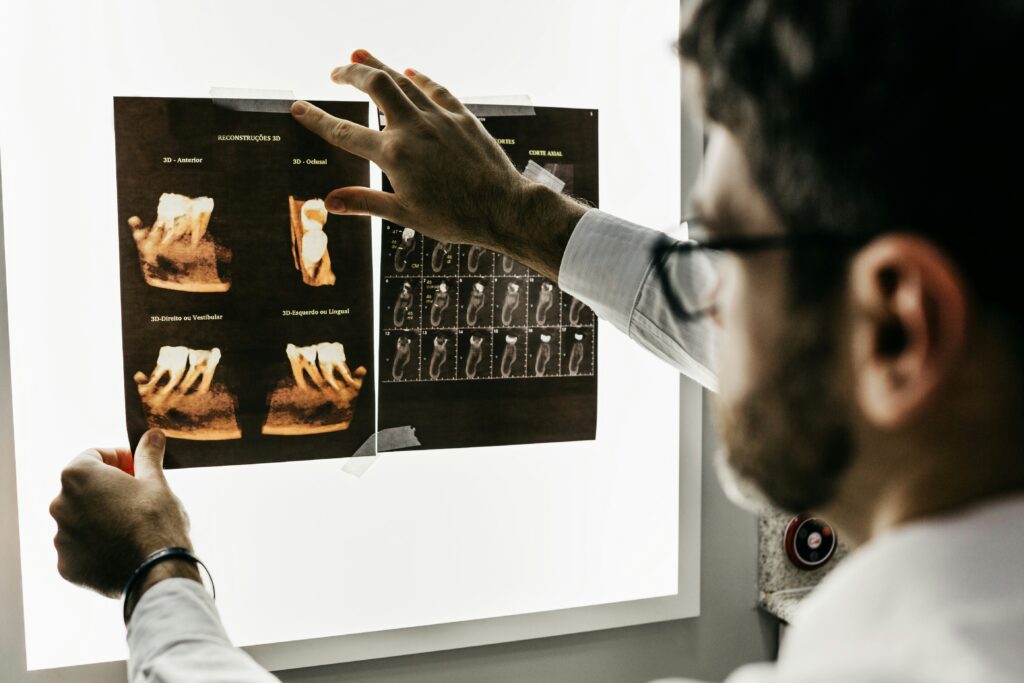
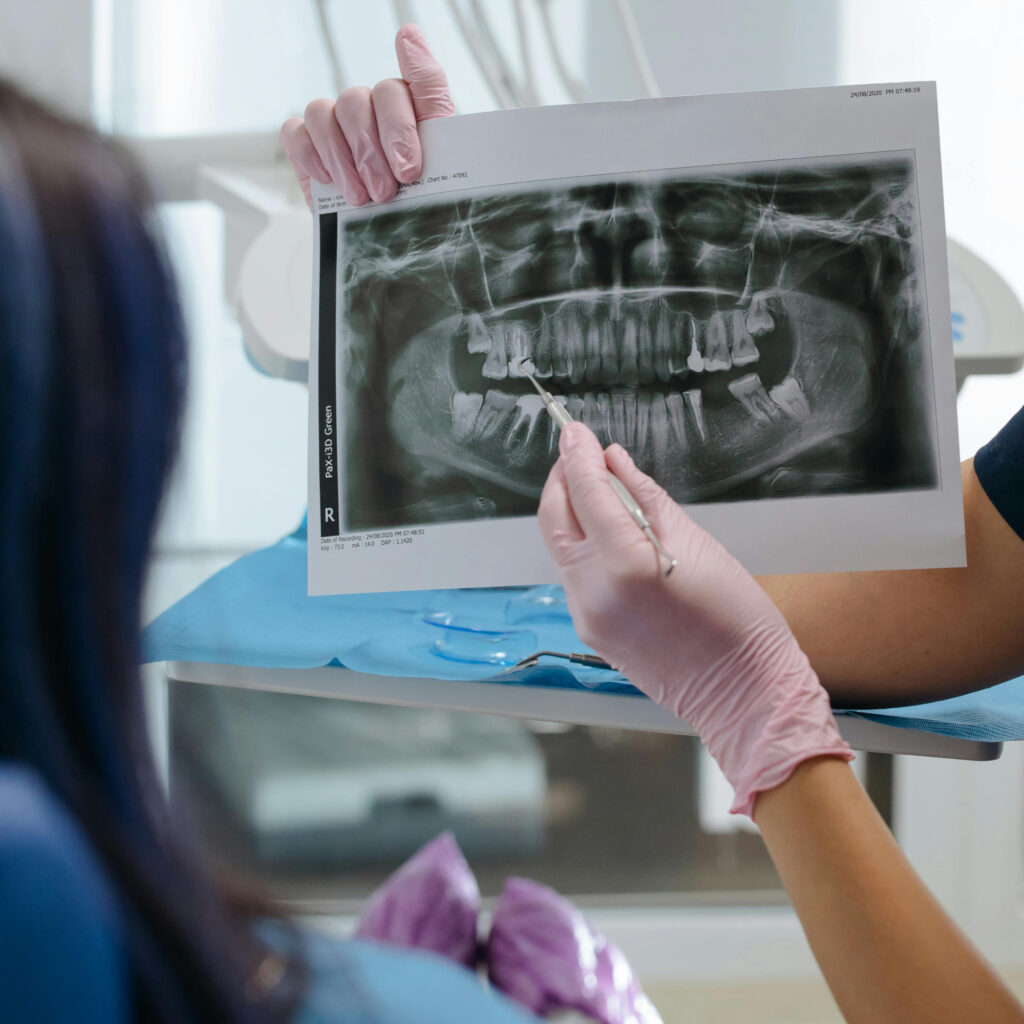
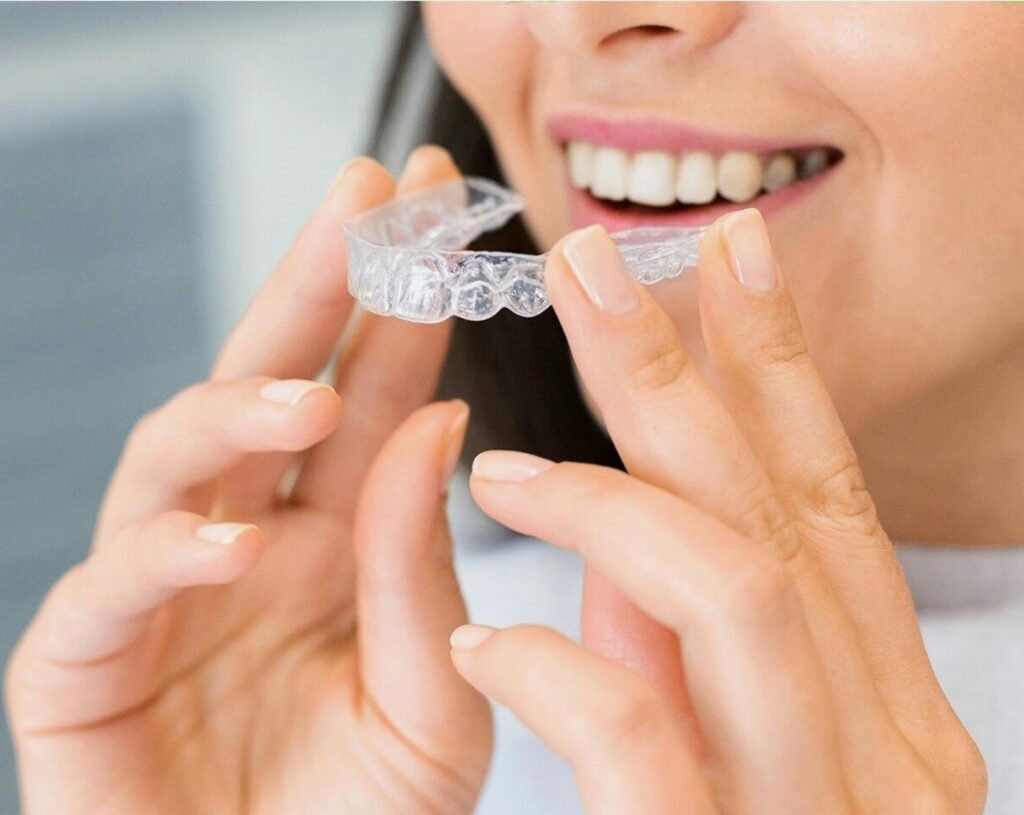
A chipped veneer can feel like a crisis, especially when it involves a front tooth and happens at the worst possible moment, during dinner, before a meeting, or while brushing your teeth at night. Patients often assume the tooth underneath has been ruined or that the entire cosmetic treatment has failed. Most of the time, neither is true.
Veneers are durable, but they are not indestructible. They are thin shells, usually made of porcelain or composite resin, bonded to the front surface of a tooth to improve shape, color, symmetry, or minor alignment issues. They can last many years when they are well planned, precisely bonded, and treated with reasonable care. Even so, they can chip, loosen, or come off. When that happens, the next steps matter more than the initial surprise.
The good news is that a damaged or detached veneer is often repairable or replaceable, and in many cases the underlying tooth can be protected without major treatment. The exact outcome depends on how the veneer failed, how much natural tooth remains, whether decay is present, and whether the bonding surface is still usable.
What a veneer actually protects, and what it does not
A veneer covers the visible front part of the tooth. It is not the same as a crown, which wraps around much more of the tooth structure. That distinction matters when something goes wrong.
If a veneer chips, the damage may be limited to the porcelain or composite itself. In that case, the tooth underneath may be perfectly intact. If a veneer falls off completely, the tooth below may feel rough, sensitive, or smaller than expected, particularly if some enamel was reshaped before the veneer was placed. That appearance can be unsettling, but it does not automatically mean the tooth is unhealthy.
What the veneer does not do is make a weak tooth strong by itself. A veneer relies heavily on the quality of the bond, the amount of enamel available, the bite forces on that tooth, and the habits of the person wearing it. Someone who clenches at night, bites pens, opens packaging with their teeth, or frequently chews ice places much more stress on veneers than someone who does not.
That is why two people can receive veneers from the same dentist and have very different experiences over ten years. Material matters, but behavior and bite matter just as much.
How veneers usually fail
Most veneer problems fall into a handful of patterns. A corner chip is common, especially on upper front teeth. Sometimes the veneer remains attached and only the edge breaks. In other cases, the veneer debonds and comes off in one piece. Less often, the veneer stays in place but a crack develops across it. In more complicated cases, part of the natural tooth breaks with the veneer or decay forms at the margin and weakens the bond.
A small chip is often a cosmetic issue first and a structural issue second. If the veneer still seals the tooth well and the bite is not hitting directly on the broken area, the problem may be repairable with polishing, bonding, or replacement on a non-urgent schedule. A fully detached veneer is different. Once the tooth surface is exposed, comfort and protection become more important, especially if the tooth is temperature-sensitive.
I have seen patients bring in a veneer wrapped in tissue, convinced it was useless because it had fallen into the sink or onto the floor. Sometimes it cannot be reused, especially if it is cracked or contaminated, but occasionally a veneer that has come off cleanly can be rebonded. It depends on the condition of both the veneer and the tooth, and on whether the fit remains exact.
Why a veneer chips or falls off in the first place
When patients ask why this happened, they usually want one clear cause. Real life is rarely that neat. Veneer failure is usually a combination of factors rather than a single event.
The most straightforward cause is trauma. A hit to the mouth, a fall, or biting into something unexpectedly hard can chip porcelain or dislodge a veneer. Even a seemingly minor impact, like catching a fork on a front tooth, can start a crack that only becomes visible later.
Another common factor is bite stress. Teeth do not just touch vertically. They slide, rub, and absorb sideways pressure. If a veneer sits on a tooth that takes heavy contact during chewing or grinding, tiny stress points can build over time. That is one reason some people chip the same veneer more than once until the bite is adjusted properly or a night guard is added.
Bonding problems also play a role. Veneers bond best to enamel. If a tooth has large existing fillings, little remaining enamel, or previous wear, the bond can be less predictable. Moisture control during placement is another technical issue. Bonding dentistry is sensitive work. A beautifully made veneer can still fail early if the bonding environment was compromised.
Then there is age. Veneers do not expire on a specific date, but the cement interface changes over time, margins can wear, and tiny openings can form. A veneer that has been functioning for ten to fifteen years may come off not because anything dramatic happened that day, but because the restoration had simply reached the point where replacement was reasonable.
What the tooth underneath may look and feel like
The first time someone sees a prepared tooth after a veneer comes off, the reaction is often alarm. The tooth may look smaller, flatter, duller, or oddly shaped. That is expected. Veneers are designed to create the final visible contour, so the underlying tooth is not meant to look polished or complete on its own.
Sensitivity varies. If preparation stayed mostly in enamel, some people feel very little. Others notice sharp sensitivity to cold air, water, or sweet foods for a few days. A tooth can also feel rough to the tongue if a thin layer of bonding resin remains on the surface.
What matters most is whether the tooth is structurally sound. If the veneer came off and the tooth underneath is intact, that is a relatively favorable scenario. If the veneer took part of the tooth with it, or if there is decay at the edge, the repair becomes more involved. The treatment may still be straightforward, but the plan changes. A tooth that no longer has enough support for a veneer may need a new restoration design, sometimes a crown instead.
What to do right away
The first hours matter less for panic and more for preservation. If a veneer has fallen off, handling it carefully can improve the odds of a simple fix.
- Find the veneer if possible and store it in a clean container.
- Rinse your mouth gently with water and avoid chewing on that side.
- Do not try to glue it back with household adhesive.
- Call your dentist and explain whether the veneer is chipped, loose, or completely off.
- If the tooth is sharp or sensitive, ask whether temporary dental cement from a pharmacy is appropriate until you are seen.
Household glue is one of the few truly bad ideas in this situation. It can damage the veneer, irritate the tooth and gums, and make professional rebonding more difficult. Temporary dental cement is different, but it should still be used only if your dentist advises it and only as a short-term measure.
If the veneer chipped but stayed attached, avoid testing it with your tongue or fingers. People often make a small problem larger by flexing a partially detached veneer over and over.
When it is urgent, and when it can wait a few days
Not every veneer problem needs same-day treatment. Some do.
A veneer issue becomes more urgent if there is significant pain, visible tooth fracture, bleeding around the tooth, swelling, or a very sharp edge that keeps cutting the lip or tongue. It is also more time-sensitive if the tooth has had previous root canal treatment, large fillings, or known cracks, because those teeth can behave less predictably once a restoration is lost.
By contrast, a tiny chip on the edge of a veneer may be able to wait several days, particularly if the bite is comfortable and the surface is smooth. A detached veneer on a front tooth is often treated quickly for cosmetic and comfort reasons, but it is not always a true emergency in the medical sense.
Timing also depends on the underlying preparation. Teeth that were minimally reduced tend to tolerate a short delay better than teeth with more exposed dentin. If a patient calls saying, “It looks ugly but it does not hurt,” that tells me one story. If they say, “Cold air makes me jump,” that tells me another.
How dentists decide whether to repair, rebond, or replace
This is the part patients usually care about most, because it determines cost, downtime, and how much treatment the tooth needs next.
If the veneer is intact and fits perfectly on the tooth, rebonding may be possible. That is the simplest outcome, though it still requires careful cleaning, preparation of both surfaces, and a check of the bite. Rebonding only works when the veneer has not warped, fractured, or lost its precise fit.
If there is a small chip, the dentist may be able to smooth and polish the area or repair it with bonded composite. This is more common when the defect is on an edge or corner and does not compromise appearance too severely. Porcelain repairs can work reasonably well in selected cases, but they are not always invisible, and they are not always as durable as a new veneer. A professional should be candid about that trade-off.
If the veneer is cracked, poorly fitting, decayed around the margins, or esthetically compromised, replacement is usually the better choice. In some situations the tooth itself has changed since the original veneer was placed. Gum levels may have shifted, neighboring teeth may have worn, or the shade may no longer match. Those details often push the decision toward a new veneer rather than a patch.
Sometimes a veneer comes off and reveals a more basic issue, not with the veneer, but with the tooth. If the remaining tooth structure is too weak or heavily restored, a new veneer may no longer be the best restoration. That can be disappointing to hear, especially for a patient who expected a quick reglue, but it is better than repeating a treatment that is unlikely to last.
The role of material, porcelain versus composite
Patients often ask whether porcelain veneers fail differently from composite veneers. They do, though not always in dramatic ways.
Porcelain is generally harder, more stain-resistant, and better at keeping its appearance over time. It also tends to fracture rather than wear gradually. A porcelain veneer can look excellent for years and then chip from a distinct impact or stress point. Composite veneers, whether direct or indirect, are more repair-friendly. Small chips can often be added to and polished chairside. The trade-off is that composite usually stains and wears faster than porcelain.
That means the “better” material depends partly on the patient. Someone with a stable bite and high cosmetic expectations often does very well with porcelain. Someone with a history of chipping, younger age, or a desire for easier future repairs may do well with composite in the right hands. Failure mode matters, not just longevity statistics.
If the veneer is old, replacement may be the sensible answer
A veneer that comes off after many years has not necessarily failed early. It may simply be done. In practice, restorations often age in ways patients do not notice day to day. The edge may darken slightly, the cement line may wear, the bite may shift, or the surface may lose some of its original polish. Then one day the veneer detaches and everyone wants to know what went wrong that morning, when the more honest answer is that the process had been unfolding for a while.
This matters because the right response is not always to put the same restoration back on. If a veneer is twelve years old and the adjacent veneer was placed at the same time, replacing only one may create a mismatch in shape or color. Sometimes a dentist will suggest addressing a pair or a small group for a more harmonious result. That is not salesmanship when it is justified. It is planning.
Cost, time, and what treatment usually involves
The range is wide, and it depends heavily on location, material, and whether a lab-made restoration is needed. A simple polish or small composite repair may be relatively modest. Rebonding an intact veneer is usually less involved than replacing it, but it still takes skill https://louisqdfa287.swiftnestly.com/posts/how-veneers-can-transform-your-smile-without-orthodontics and chair time. A brand-new porcelain veneer involves records, shade matching, tooth evaluation, impression or scan, temporary coverage in some cases, lab fabrication, and a second appointment for bonding.
The hidden variable is often the health of the underlying tooth. If the tooth needs decay removal, buildup, bite adjustment, or gum management before a new veneer can be placed, the appointment count and total cost rise accordingly. That does not mean treatment is going badly. It means the original problem uncovered another issue that also needed attention.
Can you prevent it from happening again?
Often, yes. Prevention starts with understanding why the veneer failed. If the cause was a random accident, prevention may be limited to common-sense caution. If the cause was grinding, bite interference, or repeated heavy pressure on the front teeth, there is usually room to improve the long-term outlook.
A few strategies make a real difference:
- wear a night guard if you clench or grind
- avoid biting hard foods with veneered front teeth
- keep up with regular exams so margins and bite can be checked
- address small chips early before they spread
- tell your dentist if your bite feels different after any dental work
That last point is underrated. A subtle bite change after a filling, crown, orthodontic movement, or even natural wear can redirect force onto a veneer. Patients often adapt without realizing it, until a corner chip appears months later.
Common worries patients have, and the honest answers
One fear is that a fallen veneer means the dentist did poor work. Sometimes treatment quality is part of the story, but it is not fair or accurate to assume that from the event alone. A veneer that lasted ten years before detaching is different from one that came off after three weeks. Timing matters. Clinical conditions matter. Habits matter.
Another fear is that the tooth underneath will rot immediately if the veneer is off for a few days. That is usually overstated. The tooth should be evaluated and protected appropriately, but a short delay does not usually create disaster. Still, exposed surfaces can become sensitive, and a poorly fitting temporary fix can do more harm than good, so prompt professional advice is sensible.
Patients also worry that replacement means extensive drilling. Sometimes replacement requires very little additional reduction, especially if the tooth underneath remains sound. Other times more treatment is necessary because the reason the veneer failed also changed the tooth. The only reliable answer comes after an examination.
A final concern is appearance. Front tooth dentistry is emotional, and rightly so. Even a technically small chip can feel enormous when it is in the center of your smile. A good dentist should treat that seriously, not dismiss it because the tooth is otherwise healthy. Cosmetic urgency may not be medical urgency, but it is still real.
The bigger picture with veneers
Veneers are one of the most effective tools in cosmetic dentistry when they are chosen for the right reasons. They can transform shape, proportion, and color with remarkable precision. But they are still restorations. They live in a wet, high-force environment. They depend on biology, materials, technique, and patient habits all working together. When one part of that balance shifts, a chip or debond can happen.
If your veneer chips or falls off, the practical takeaway is simple. Do not panic, do not glue it back yourself, keep the piece if you can, and get it assessed. Many cases are straightforward. Some uncover deeper issues that need a more thoughtful repair. Either way, early evaluation usually leads to the best outcome, both for the appearance of the smile and for the health of the tooth underneath.
A veneer problem rarely tells the whole story on its own. The useful question is not just “Why did it break?” but “What will help this tooth function and look right for the next several years?” That is the question experienced dentists try to answer, and it is the one that matters most.
Oaks Dental
Address: 5000 Parkway Calabasas Ste 308, Calabasas, CA 91302
Phone number: +18184312000
FAQ About Veneers
How much do veneers actually cost?
The cost of dental veneers typically ranges from $250 to $2,500 per tooth, with a full smile transformation averaging anywhere from $6,000 to $20,000 depending on the material you choose. Because veneers are classified as a elective cosmetic procedure, dental insurance almost never covers them.
What is the downside of having veneers?
The main downside of dental veneers is that the process is permanent and irreversible, as a dentist must shave off a thin layer of natural tooth enamel. Other major drawbacks include increased tooth sensitivity, high financial costs, and the need to replace them every 10 to 15 years.
What happens to the teeth under veneers?
When you get veneers, a dentist shaves off a thin layer of your natural tooth enamel (about 0.3 to 0.7 millimeters). The living tooth stays intact underneath, but losing this outer layer is permanent. The tooth relies on the veneer shell for lifelong protection and cannot be left bare.