How a General Dentist in Santa Clarita CA Helps Preserve Oral Health
Oral health rarely declines all at once. More often, it slips a little at a time. A spot that traps plaque goes unnoticed for months. Gum tissue stays mildly inflamed after brushing because the flossing never became consistent. A filling that seemed fine a few years ago starts leaking at the edge, quietly allowing bacteria underneath. By the time pain appears, the problem has usually been building for a while.
That slow progression is exactly why routine dental care matters. A skilled general dentist does far more than clean teeth or fill cavities. In day-to-day practice, the real job is preservation. The goal is to help patients keep natural teeth healthy, functional, and comfortable for as long as possible, while catching small issues before they become expensive, disruptive, or difficult to treat.
For families looking for a general dentist Santa Clarita CA residents can rely on, the value often shows up in practical ways. A child learns how to clean around newly erupting molars before decay starts. A working adult avoids a root canal because a crack was caught early. An older patient with dry mouth from medication gets a prevention plan tailored to that risk, rather than generic advice that does not fit their situation. Good general dentistry is not dramatic. It is steady, observant, and preventive.
Oral health preservation starts with pattern recognition
One of the most overlooked parts of general dentistry is continuity. When a dentist sees a patient regularly over several years, they are not just evaluating a mouth in a single moment. They are tracking changes over time. That perspective matters.
A slightly deepening gum pocket may not alarm anyone on one visit, but a trend over three appointments tells a different story. A minor area of enamel wear might be harmless in isolation, yet meaningful when paired with jaw soreness and flattened biting surfaces. Even a patient who insists they do not grind their teeth can show a clear wear pattern that says otherwise.
This is where an experienced general dentist earns trust. Preservation depends on noticing what is changing, what is stable, and what could become a problem if left alone. It is less about reacting to emergencies and more about seeing the early signs before the patient feels them.
In Santa Clarita, where many patients juggle work commutes, school schedules, sports, and family responsibilities, preventive appointments can easily slide down the priority list. But the pattern is familiar in practice. Someone delays care because nothing hurts. They return a year or two later with multiple areas of decay, heavier tartar buildup, or inflamed gums that now bleed every time they brush. The mouth almost always tells the story of habits, timing, and missed maintenance.
The exam is about more than teeth
Patients often think of a dental checkup as a cavity search. In reality, a thorough general dental exam looks at several systems at once. Teeth matter, of course, but they are only part of the picture.
A dentist evaluates gum health, bite alignment, soft tissues, existing restorations, jaw function, and signs of wear or trauma. They also consider medical history, medications, diet, and home care habits. A patient taking blood pressure medication, antidepressants, or antihistamines may have reduced saliva flow. That alone can raise cavity risk dramatically, even if their brushing routine has not changed. Another patient may have excellent-looking teeth but persistent gum inflammation caused by mouth breathing, crowded lower incisors, or inconsistent cleaning around a bridge.
Soft tissue screening is another essential piece. The cheeks, tongue, palate, and floor of the mouth deserve attention, especially in adults with tobacco use, heavy alcohol intake, chronic irritation, or unexplained sores that do not heal normally. Good general dental care includes this broader health view because preserving oral health means protecting more than the enamel.
Professional cleanings do what home care cannot
Even diligent brushers miss areas. That is not a character flaw, just anatomy and physics. Teeth have grooves, tight contacts, uneven edges, and hard-to-see surfaces. Saliva chemistry varies. Some people build tartar quickly behind the lower front teeth or near the upper molars, no matter how careful they are.
Professional cleanings remove hardened deposits that a toothbrush and floss cannot dislodge once they calcify. They also allow the dental team to evaluate where plaque is collecting most often. This is useful because it turns a routine cleaning into a coaching opportunity. If a patient always accumulates buildup around one crown margin or the back side of the last molar, that pattern can guide technique changes at home.
There is also a practical emotional benefit. Patients who come in regularly tend to feel more comfortable in the chair. Their visits are shorter, simpler, and less stressful. That matters more than many people realize. Dental avoidance is often fueled by memories of complicated treatment that might have been prevented with maintenance.
A general dentist Santa Clarita CA patients see consistently can help normalize preventive care instead of crisis care. That shift alone often changes long-term outcomes.
Small restorations protect teeth from larger treatment
When dentists talk about preserving oral health, preserving tooth structure is a major part of it. The less natural tooth needs to be removed over a lifetime, the better. Every restoration, even when done well, has a life cycle. Fillings may need replacement eventually. Crowns can fail at the margin. Teeth that undergo root canal treatment often become more brittle than they were before.
That is why timing matters so much. A small cavity treated early usually requires a conservative filling. The same cavity ignored for long enough can spread into a cusp, require a larger restoration, threaten the nerve, or fracture the tooth entirely. The difference in cost, treatment time, and long-term prognosis can be significant.
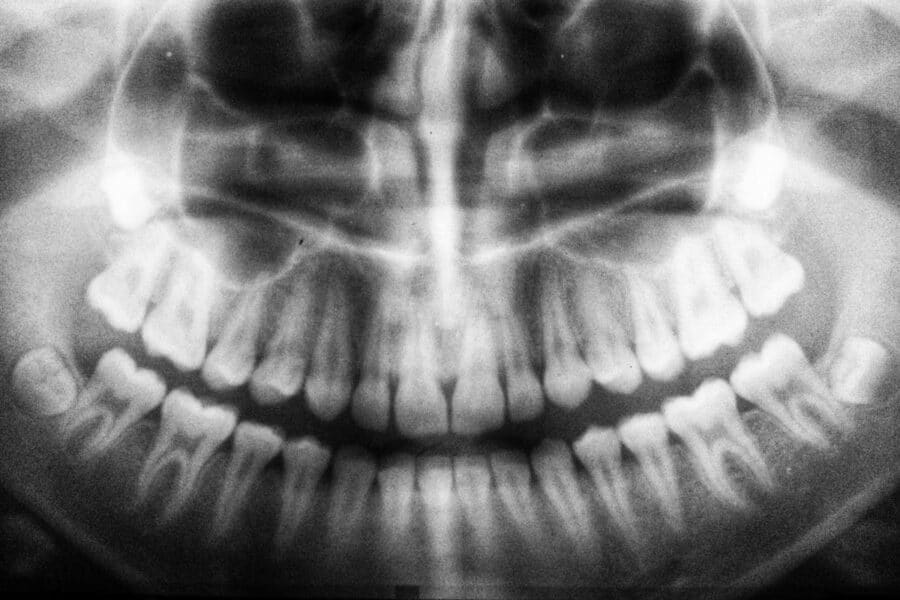
Patients do not always feel decay in its early stages, especially between teeth or under older restorations. Radiographs and careful clinical exams help uncover these hidden areas. The purpose is not to find work for the sake of doing work. It is to intercept damage while the repair can still be conservative.
There is judgment involved here. Not every suspicious area needs immediate drilling. Some demineralized spots can be watched, strengthened with fluoride, and managed through better hygiene and diet changes if they are caught early enough. A thoughtful general dentist knows when to treat, when to monitor, and how to explain the trade-off clearly.
Gum health determines the future of the smile
Many adults worry most about cavities, but gum disease is often the bigger long-term threat to tooth retention. Bone loss around the teeth can progress quietly. A patient may have little or no pain while the supporting structures weaken over time.
Gingivitis, the early form of gum inflammation, is common and reversible. Periodontitis, once established, usually requires more intensive management. The role of the general dentist is to identify where a patient sits on that spectrum and respond early. Bleeding gums should never be treated as normal, even though many patients assume it is just part of brushing.
In clinical practice, gum problems are often tied to real-life obstacles rather than neglect in the simplistic sense. Some people have crowded teeth that are difficult to clean well. Others rush through home care because mornings with children are chaotic or late nights leave little energy. Orthodontic retainers, bridges, implants, and certain types of dental work can all create plaque traps. Smoking and diabetes also complicate the picture.
Preserving oral health means adapting care to the patient, not delivering the same script to everyone. A person with early gum inflammation may improve dramatically with targeted hygiene instruction and more frequent maintenance. Another may need periodontal therapy and close monitoring because pockets are deepening and bone levels are changing. The point is early control. Once support is lost, getting back to baseline is difficult.
The everyday habits a dentist helps refine
The advice patients remember best is usually the advice tied to something specific in their own mouth. General dentists are in a strong position to make prevention personal. Rather than simply saying, "Floss more," they can show a patient where the gum tissue is puffy between two back teeth, or where a filling edge catches plaque repeatedly.
A few habits have an outsized effect on long-term oral health:
- Brushing twice daily with a fluoride toothpaste, using enough time and pressure control to clean thoroughly without scrubbing the gums.
- Cleaning between the teeth every day, whether with floss, floss picks, interdental brushes, or another tool that actually fits the spaces.
- Limiting constant snacking and frequent sugary or acidic drinks, which expose the teeth to repeated attacks throughout the day.
- Wearing a nightguard or sports guard when grinding or impact risk is present.
- Keeping routine dental visits on schedule, even when nothing feels wrong.
What matters in real life is not perfection for one week. It is sustainability for years. A dentist who understands this will often recommend the method a patient will actually use consistently, rather than the theoretically ideal technique that gets abandoned in three days.
For example, some patients do far better with an electric toothbrush because it improves coverage and timing. Others with larger gum embrasures clean more effectively with interdental brushes than string floss. Patients with braces, permanent retainers, or hand dexterity limitations may need customized tools to make daily care realistic.
Early intervention saves more than money
Cost is one reason patients delay treatment, but it is not the only one. Time off work, fear of procedures, lack of childcare, and uncertainty about what is truly necessary all play a role. A good general dentist helps preserve oral health by reducing those barriers where possible and by communicating clearly enough that patients understand the consequences of waiting.
The financial part is still worth stating plainly. A small filling is usually far less costly and invasive than a crown. A crown is generally simpler than a root canal plus crown. Preserving a natural tooth is almost always easier than replacing one after extraction with a bridge, denture, or implant. These are not sales points, they are practical realities of disease progression.
There is also the matter of comfort and disruption. A patient may tolerate a short repair with local anesthetic and return to normal life the same day. That same patient might struggle much more with a severe toothache that begins on a Friday night, leads to poor sleep, swelling, missed work, urgent medication, and a more involved appointment under stress.
Many emergency visits are really delayed maintenance visits in disguise. Not all, of course. Teeth crack unexpectedly. Old restorations fail. Trauma happens. But routine general dentistry lowers the odds that a minor issue will become a crisis.
Santa Clarita patients often face modern risk factors
Every community has its own lifestyle patterns, and those patterns shape oral health risk. In Santa Clarita, many patients balance full schedules, youth sports, commuting, coffee on the go, https://travisphtn885.lumenforgex.com/posts/how-a-general-dentist-in-santa-clarita-ca-helps-treat-cavities-early meal skipping, and frequent snacking. Those habits sound ordinary because they are ordinary. They are also relevant to dentistry.
Sipping sweetened coffee over several hours is harder on teeth than drinking it quickly with a meal. Energy drinks and flavored sparkling beverages can contribute acid exposure even when sugar is not the main issue. Athletes, especially teenagers, may rely on sports drinks that bathe the teeth in acid and sugar repeatedly. Adults under stress often clench their jaws during work or sleep, gradually wearing down enamel or cracking fillings.
A general dentist does not need to moralize about these habits to address them effectively. The better approach is specific and practical. If a teenager will not stop sports drinks entirely, then timing, rinsing with water, and avoiding constant sipping can still reduce harm. If a patient cannot eliminate afternoon coffee, switching from prolonged sipping to a shorter consumption window can help. If clenching is driving tooth fractures, a nightguard may preserve years of tooth structure.
That kind of advice is useful because it meets patients where they are. Oral health preservation is rarely about ideal behavior. It is about making damage less likely in the context of real life.
Children, adults, and older patients need different kinds of protection
General dentistry spans the full age range, and preservation looks different at each stage of life. For children, the focus is often on eruption patterns, sealants, fluoride exposure, hygiene training, and establishing positive dental habits early. The back molars of children and teens can have deep grooves that trap debris easily. Sealing those grooves in appropriate cases can reduce cavity risk during vulnerable years.
For adults, the challenge often shifts toward maintenance of existing work and managing cumulative wear. Fillings age. Crowns need evaluation. Gum health can fluctuate with stress, pregnancy, medical conditions, and changing habits. Some adults who had little decay in their youth suddenly become high-risk because of dry mouth, orthodontic retainers, or dietary changes.
Older adults frequently face a more complex mix of risks. Recession can expose root surfaces, which are softer and more cavity-prone than enamel. Medications often reduce saliva. Arthritis can make brushing and flossing harder. Partial dentures, implants, and bridges create new cleaning challenges. In these cases, preserving oral health requires more customization, not less.
A seasoned general dentist recognizes these shifts and adjusts care accordingly. That may mean recommending higher-fluoride products, shorter recall intervals, a gentler toothbrush handle modification, or more careful monitoring of root surfaces and crown margins.
Restorative work is strongest when paired with prevention
Patients sometimes think treatment solves the problem permanently. In reality, dental work restores function and repairs damage, but it does not make a patient immune to future disease. A filling can still develop recurrent decay at the edge. A crown can fail if plaque control is poor. An implant can suffer inflammatory problems if maintenance is neglected.
This is why prevention and restoration should never be treated as separate categories. They work together. The best filling in the world will not compensate for unchecked dry mouth, high sugar frequency, or persistent grinding. Likewise, excellent home care cannot reverse a large structural defect once it exists. Preservation requires both.
A trustworthy general dentist explains this clearly. If a patient needs treatment, the conversation should include not only what will be repaired, but also why it happened and how to reduce the chance of repeat failure. That is where professional insight matters. Sometimes the reason is obvious, like a cracked filling in a heavy clencher. Sometimes it is subtle, like recurrent decay in a patient whose medication changed six months ago.
What patients should notice in a quality general dental practice
Finding the right dentist often has less to do with marketing and more to do with consistency, thoroughness, and communication. In a strong general practice, preservation shows up in the details. The team compares radiographs over time. Existing restorations are checked, not assumed to be fine. Gum measurements are taken seriously. Home care advice is tailored, not recited from memory.
Patients can usually tell when a practice is invested in prevention. Questions are specific. Explanations make sense. Recommendations feel proportional to the problem. There is room for discussion when monitoring is a reasonable option, and there is clarity when treatment should not be postponed.
A few signs tend to stand out:
- The dentist explains findings in plain language and shows patients what they are seeing whenever possible.
- Preventive visits include meaningful review of gums, restorations, bite, and soft tissues, not only a quick glance for cavities.
- Recommendations are individualized to age, medical history, habits, and actual risk factors.
- The office emphasizes follow-through, including hygiene intervals and monitoring of areas that are not yet severe.
- Patients leave knowing what matters most before the next visit.
That is often what families want from a general dentist Santa Clarita CA practice, not hype, but steady competence and practical guidance.
The long view matters most
Preserving oral health is a long game. Teeth are meant to last decades, and the choices made in routine appointments shape that future more than any single dramatic procedure. The fillings kept small, the gums kept stable, the cracks caught early, the wear managed before it becomes fracture, these are the quiet wins that define good general dentistry.
Patients do not always see those wins in the moment. They feel ordinary because nothing terrible happened. But that is the point. The strongest dental care often prevents the memorable problem from arriving at all.
A general dentist serves as both clinician and steward. They monitor patterns, repair damage conservatively, guide daily habits, and adapt recommendations as life changes. For children, that may mean cavity prevention and trust-building. For adults, it may mean preserving existing teeth and dental work with careful maintenance. For older patients, it often means protecting function and comfort despite dry mouth, recession, or medical complexity.
When that care is consistent and thoughtful, oral health tends to remain more stable, treatment stays more manageable, and natural teeth have a better chance of lasting well over a lifetime. That is the real value of general dentistry, especially for patients who want more than occasional fixes. They want preservation, predictability, and a plan that respects both their health and their daily reality.
Smyle Dental Newhall
Address: 23754 Newhall Ave, Santa Clarita, CA 91321
Phone number: +16612559200
FAQ About General dentist Santa Clarita CA
What does it mean by general dentist?
A general dentist is your primary dental care provider. They focus on the overall prevention, diagnosis, and treatment of your daily oral health needs. Think of them as your primary care doctor, but for your teeth and gums.
What is the difference between a dentist and a general dentist?
A dentist is a broad professional title for any licensed oral healthcare provider, while a general dentist is a specific type of primary care dentist who focuses on routine, preventive, and everyday treatments.
What is the difference between a dentistry practitioner and a dentist?
A dentist is a licensed doctoral-level healthcare professional, whereas a dental practitioner is a broader umbrella term that can include dentists as well as other trained oral health professionals.