General Dentist Tips to Keep Your Teeth Strong and Clean

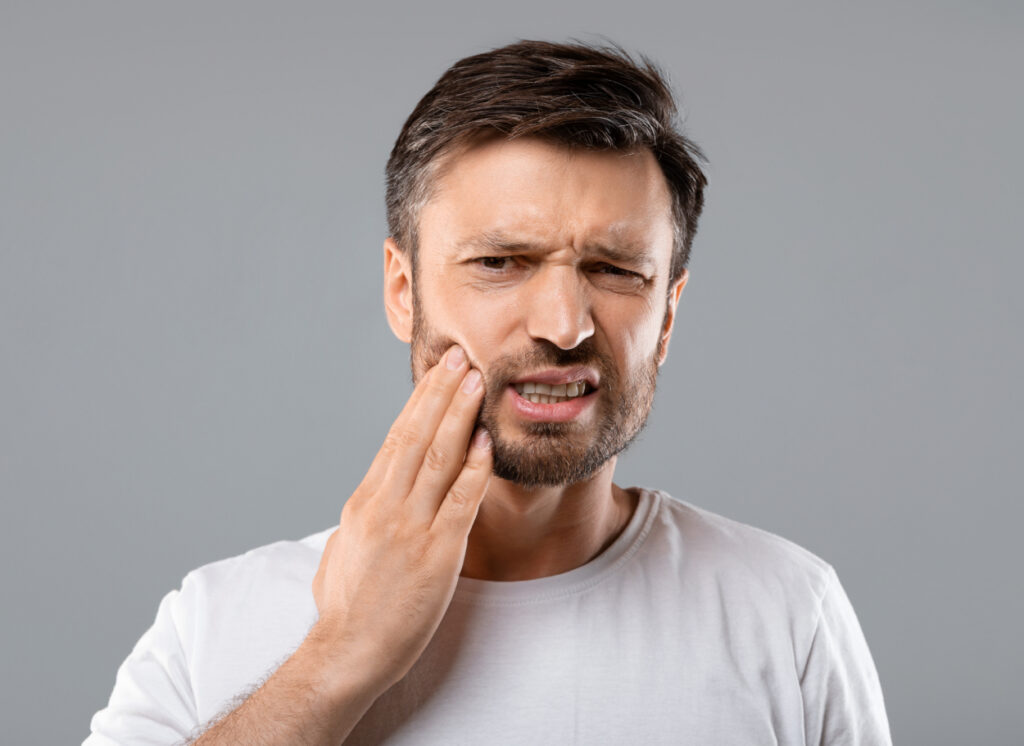
Strong, clean teeth rarely come down to luck. They are usually the result of habits that look ordinary on the surface and become powerful through repetition. A general dentist sees that pattern every day. The patients who keep their natural teeth healthy for decades are not always the ones with the most expensive tools or the strictest diets. More often, they are the ones who understand the basics, notice small changes early, and stay consistent when life gets busy.
That matters because teeth do not heal the way skin or bone can. Enamel lost to wear or decay does not grow back. Gum disease can progress quietly for years before pain shows up. A small cavity can often be handled with a simple filling, while the same spot, left alone, may later need a root canal or crown. Preventive care sounds modest, but it saves comfort, time, and money in a very real way.
The good news is that most of what keeps teeth strong and clean is practical and manageable. The details matter, though. Technique beats effort in many parts of oral care, and some of the most common mistakes are made by people who believe they are doing everything right.
What a strong, clean mouth actually looks like
People often define oral health by appearance alone. If the teeth look white and feel smooth after brushing, they assume all is well. A general dentist looks at a wider picture. Strength means enamel that has not been weakened by acids, grinding, or repeated trauma. Cleanliness means plaque is being removed consistently, especially along the gumline and between teeth where a toothbrush misses. Healthy gums are usually firm, pink or naturally pigmented, and not prone to bleeding every time floss is used.
It is also worth separating cosmetic goals from health goals. Whitening can brighten stained enamel, but it does not treat decay. A perfectly straight smile can still have inflamed gums if plaque collects under a retainer or around crowded back teeth. On the other hand, a person with naturally darker enamel may have excellent dental health. That distinction prevents people from chasing the wrong outcome.
Patients are often surprised by how early trouble can start. Dry mouth from medication, frequent sipping of sports drinks, nighttime clenching, or even aggressive brushing can change the mouth quickly. None of these problems announce themselves dramatically at first. They show up as sensitivity, notching near the gumline, morning jaw fatigue, or gums that bleed “only a little.” Those small signs deserve attention.
Brushing works best when it is gentle and thorough
One of the most common scenes in a dental office is a patient saying, “I brush hard because I want them really clean.” The instinct is understandable, but it often backfires. Teeth do not need scrubbing the way a stained pan does. A toothbrush is there to disrupt plaque, not sandblast enamel.
A soft-bristled brush is usually the safest choice for most adults. Whether the brush is manual or electric matters less than how it is used. With a manual brush, short controlled strokes along the gumline tend to do more good than wide horizontal sawing motions. With an electric brush, the mistake is often the opposite: pushing too hard or moving too quickly from tooth to tooth, which prevents the bristles from doing their work.
Timing helps, but attention matters more. Two minutes is a useful benchmark because it encourages full coverage. The outer surfaces, inner surfaces, and chewing surfaces all need contact. The inside of the lower front teeth deserves special mention because tartar often builds there faster due to the nearby salivary glands. Many otherwise careful brushers rush through that area.
Toothpaste should contain fluoride unless a dentist has suggested an alternative for a specific reason. Fluoride strengthens enamel by making it more resistant to acid attack. For patients at higher risk of cavities, that small daily exposure adds up. After brushing, spitting out the excess toothpaste without immediately rinsing with a lot of water can leave more fluoride on the teeth for a longer period. It is a simple adjustment that many people never hear about.
Flossing is less about perfection than access
If brushing is the visible part of oral care, flossing is the part people negotiate with themselves about. They know it matters, but many stop because their gums bleed, the floss shreds, or the whole process feels awkward. In practice, flossing is valuable because it reaches the narrow spaces where plaque sits undisturbed. A toothbrush cannot reliably clean there.
Bleeding is a common point of confusion. Patients sometimes assume flossing caused the problem, when the more likely explanation is that the tissue was already inflamed. If flossing is gentle and consistent, bleeding often improves within a week or two. If it persists, a dental exam is wise because gum disease, tartar buildup, or a filling edge may be involved.
Technique makes a bigger difference than people expect. Sliding floss down and snapping it against the gums is uncomfortable and not very effective. The floss should curve around the side of each tooth in a C shape and move slightly under the gumline. That detail is where much of the plaque hides.
For people who struggle with string floss, alternatives can work well. Floss picks are convenient, though they can be harder to adapt tightly around each tooth. Interdental brushes are excellent for wider spaces, braces, bridges, and some gum recession cases. Water flossers are helpful, especially for people with orthodontic appliances or limited dexterity, but they are often best used as a complement rather than a complete replacement, depending on the mouth.
Food and drink influence teeth all day, not just at meals
Most people think about sugar when they think about cavities, and that is sensible. But frequency often matters as much as amount. A dessert eaten with dinner usually does less damage than a sweetened coffee sipped over three hours. Every acidic or sugary exposure can lower the pH in the mouth, giving enamel another round of stress. When that pattern repeats throughout the day, the teeth get less time to recover.
Sticky foods pose a special challenge because they cling to grooves and contact points. Dried fruit, chewy candies, crackers that turn to paste, and frequent snacking can feed cavity-causing bacteria longer than people realize. Acidic drinks can be just as harsh, even without much sugar. Sparkling water is generally less damaging than soda, but flavored acidic beverages, citrus-heavy drinks, and sports drinks can still contribute to enamel wear, especially when consumed often.
A general dentist will usually encourage patients to think less about “forbidden foods” and more about rhythm. Eating at set times, drinking plain water regularly, and limiting prolonged sipping are habits that support the mouth without requiring extreme restrictions. Saliva is one of the body’s best defenses. It helps neutralize acids and wash away food debris. When patients snack constantly, saliva does not get much chance to restore balance.
There is a practical trick that works well for many people: if you are going to have something sugary or acidic, have it with a meal rather than alone. Saliva flow is higher while eating, and that offers some protection. Rinsing with water afterward is useful too. Brushing immediately after a very acidic drink is not always ideal because enamel can be temporarily softened. Waiting roughly 30 minutes is often gentler.
The small daily habits that protect enamel
Enamel wears down in more ways than decay. Grinding, clenching, nail biting, chewing ice, opening packages with teeth, and even using teeth to hold hairpins or fishing line can create cracks and chips that seem minor until they become expensive. Many adults do not realize they clench because it happens during sleep or concentrated work.
Signs of grinding can be subtle. Flattened biting edges, soreness in the jaw muscles, headaches near the temples, and teeth that feel sensitive without an obvious cavity are common clues. If a dentist sees those patterns, a night guard may be recommended. A custom-fitted guard usually protects better and feels more comfortable than a generic over-the-counter version, though even store-bought guards are sometimes better than leaving severe grinding completely unmanaged.
Dry mouth deserves equal attention. Saliva protects enamel, buffers acids, and helps control bacteria. When saliva drops, cavity risk rises quickly. This often happens with antihistamines, antidepressants, blood pressure medications, some sleep aids, and many other prescriptions. Mouth breathing, especially at night, can make it worse. Patients with dry mouth often notice sticky tissue, bad breath, difficulty swallowing dry foods, or an unusual pattern of new cavities near the gumline.
Hydration helps, but it is not the whole answer. Sugar-free gum that contains xylitol can stimulate saliva for some people. Alcohol-based mouthwashes may feel fresh but can be irritating in a dry mouth. Some patients benefit from saliva substitutes or prescription-strength fluoride products. This is a good example of where personalized advice from a general dentist matters, because the same product that works well for one patient may be a poor choice for another.
Professional cleanings catch what home care cannot
Even excellent brushing and flossing have limits. Plaque that sits undisturbed can harden into tartar, and tartar cannot be brushed away at home. Once it forms, especially below the gumline or behind the lower front teeth, professional instruments are usually needed to remove it safely. That is why regular cleanings matter even for people who are disciplined at home.
The right interval is not the same for everyone. Six months is common, but it is not a law of nature. Some patients with excellent gum health and low cavity risk may do well on a longer schedule if their dentist advises it. Others, particularly those with gum disease, heavy tartar buildup, diabetes, dry mouth, or a history of frequent cavities, may need visits every three or four months. The goal is not to sell appointments. The goal is to interrupt problems before they gain momentum.
Exams are just as important as cleanings. Cavities between teeth can be invisible without X-rays. Old fillings can leak at the edges. Gum pockets can deepen quietly. Oral cancer screenings are brief but valuable, especially for patients who use tobacco, drink heavily, or have other risk factors. A visit that feels routine from the chair often provides information that cannot be gathered in a bathroom mirror.
Patients sometimes put off care because nothing hurts. Unfortunately, pain is a late signal in dentistry. A tooth can be decaying, cracked, or infected long before severe discomfort starts. By the time spontaneous pain wakes someone at night, treatment is rarely simple.
The most useful signs to watch at home
Patients do not need dental training to notice early warnings. They just need to pay attention to changes that persist. Several symptoms deserve a call to the office if they last more than a short spell or seem to worsen.
- Gums that bleed regularly during brushing or flossing
- Sensitivity to cold, sweets, or biting pressure that keeps returning
- Persistent bad breath or a bad taste that does not improve with cleaning
- Chips, cracks, rough spots, or a filling that suddenly feels different
- Dry mouth, mouth sores, or swollen areas that last more than two weeks
None of these automatically means a major problem, but each is worth checking. In practice, the earlier they are addressed, the more conservative the treatment tends to be.
Children, adults, and older patients need different emphasis
Good dental advice changes with age. Children need supervision longer than many parents expect. A child may be able to hold a toothbrush independently at five or six, but thorough brushing usually requires help beyond that. Molars erupt with deep grooves that trap food, and young patients often lack the patience to clean them properly. Sealants can be helpful in cavity-prone children because they protect those vulnerable grooves.
Teenagers often face a different mix of risks. Sports drinks, irregular sleep, braces, and snack-heavy routines can create a perfect storm for plaque buildup and enamel stress. Orthodontic appliances demand more careful cleaning than patients anticipate. White spot lesions around brackets can develop surprisingly fast when brushing quality slips.
Adults are often managing competing demands. Work schedules, pregnancy, medication changes, stress grinding, and postponed appointments all show up in the mouth. Pregnancy deserves a brief note because hormonal changes can make gums more reactive, and morning sickness exposes teeth to acid. Rinsing with water or a baking soda solution after vomiting can be gentler than brushing right away.
Older adults face another set of challenges, including gum recession, root exposure, dexterity changes, and a longer list of medications that reduce saliva. Root surfaces are softer than enamel and can decay more quickly. For these patients, fluoride becomes especially valuable, and brush handles, floss aids, or electric toothbrushes may make daily care more realistic.
Choosing products without getting distracted by marketing
Dental aisles are crowded with products promising brighter, cleaner, healthier teeth. Some are useful. Many are simply variations on the same basic tools. The best product is often the one a patient will use correctly every day, not the one with the loudest packaging.
A few general rules hold up well:
- Pick a soft-bristled toothbrush that feels comfortable to maneuver
- Use a fluoride toothpaste unless your dentist recommends otherwise
- Choose floss or interdental cleaners you will actually use consistently
- Be cautious with highly abrasive whitening products
- Replace worn brushes or brush heads before the bristles splay outward
Whitening deserves a realistic perspective. Overuse of whitening strips, charcoal powders, or abrasive pastes can irritate gums and wear surfaces without solving the underlying reason teeth look dull. Some discoloration comes from staining and responds well to whitening. Some comes from thinning enamel, aging, past trauma, or internal tooth changes, which need a different approach. If sensitivity starts increasing during whitening, that is a sign to pause and reassess.
Mouthwash can be helpful, but it is not mandatory for everyone. A fluoride rinse may benefit cavity-prone patients. An antibacterial rinse may be recommended for short-term gum treatment. Fresh-breath mouthwash has its place, but it should not become a cover for bleeding gums, infection, or dry mouth.
Why consistency beats intensity
Dental health rarely improves through occasional bursts of effort. A week of aggressive brushing before an appointment does not reverse months of plaque buildup, and a single excellent cleaning does not protect teeth indefinitely. What works is boring in the best sense of the word: steady habits, repeated daily.
That is often reassuring to patients who feel they have fallen behind. You do not need to become perfect overnight. If flossing every night feels unrealistic, start with four nights a week and build from there. If an electric brush would make proper technique easier, use one. If late-night snacking is the weak point, change that one habit first. Teeth respond well when the environment around them improves, even gradually.
A general dentist can help sort priorities when multiple issues are present. Sometimes the first priority is reducing acid exposure. Sometimes it is getting gum inflammation under control. Sometimes it is protecting teeth from grinding before more fractures appear. That kind of judgment matters because oral health is not one-size-fits-all. Two patients can have the same complaint and need very different solutions.
The strongest smiles are usually not maintained by people who never miss a step. They are maintained by people who understand what matters most, recover quickly when routines slip, and seek care before small issues become major repairs. Clean teeth and strong teeth come from the same place: practical habits, good tools, and regular professional attention. When those pieces are in place, the mouth https://paxtoncgaw553.hexaforgey.com/posts/why-early-detection-by-a-general-dentist-is-so-important tends to stay healthier, more comfortable, and easier to care for year after year.
Smyle Dental Bakersfield
Address: 2016 E St, Bakersfield, CA 93301
Phone number: +16614939040
FAQ About General dentist
What does it mean by general dentist?
A general dentist is your primary dental care provider. They focus on the overall prevention, diagnosis, and treatment of your daily oral health needs. Think of them as your primary care doctor, but for your teeth and gums.
What is the difference between a dentist and a general dentist?
A dentist is a broad professional title for any licensed oral healthcare provider, while a general dentist is a specific type of primary care dentist who focuses on routine, preventive, and everyday treatments.
What is the difference between a dentistry practitioner and a dentist?
A dentist is a licensed doctoral-level healthcare professional, whereas a dental practitioner is a broader umbrella term that can include dentists as well as other trained oral health professionals.