Emergency Dentist Solutions for Pain After a Temporary Crown Falls Off
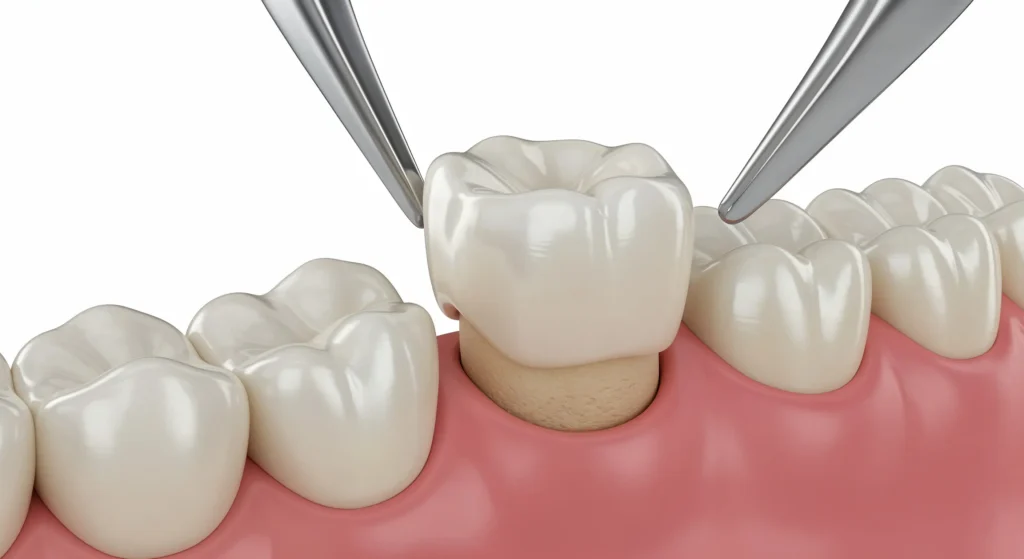

A temporary crown is meant to be exactly what the name suggests, temporary. It protects a prepared tooth while the final crown is being made, keeps neighboring teeth from drifting, and gives you a chance to function without exposing a vulnerable tooth surface. Even so, when it falls off unexpectedly, the experience can go from mildly annoying to sharply painful in a matter of minutes.
That pain catches people off guard. Many assume the temporary itself was the problem, so once it comes off, the tooth should feel better. In practice, the opposite is common. The tooth underneath has usually been shaped down, which leaves it more sensitive to air, temperature, pressure, and even the movement of your tongue. If the tooth had a deep filling, a crack, or a recent root issue, the sensitivity can be intense.
This is one of those situations where an Emergency Dentist can make a real difference. Not every lost temporary crown is a midnight crisis, but some deserve same-day attention, especially when pain is escalating, the tooth is exposed, or the bite feels wrong. The right response depends on what came off, how the tooth feels, and whether there are signs of infection or structural damage.
Why temporary crowns fall off in the first place
Temporary crowns are not cemented with the same strength as permanent crowns. They are designed to come off more easily because your dentist needs to remove them without damaging the tooth at the next appointment. That lower bond strength is practical, but it also makes temporaries more vulnerable to everyday mishaps.
Chewy foods are frequent culprits. Caramel, gum, crusty bread, taffy, and even a dense granola bar can loosen a temporary. Flossing straight up instead of sliding floss out sideways can also lift it. Sometimes the temporary was sitting on a short tooth with limited retention, or the cement simply washed out over several days. I have seen crowns come off while patients were brushing, talking, or waking up after grinding their teeth all night.
A temporary that repeatedly loosens often points to another issue. The bite may be hitting too hard on that tooth. The temporary may be slightly distorted. The underlying tooth may not offer ideal grip because of its shape or because much of the natural structure is already gone. That detail matters, because the solution is not always “glue it back on and hope for the best.”
What the pain usually means
Pain after a temporary crown falls off can range from a brief zing with cold water to throbbing that radiates into the jaw. The type of pain gives clues about what is happening.
Sharp sensitivity to air or cold is often dentin exposure. Once the covering is gone, microscopic tubules in the tooth transmit sensation very efficiently. Patients describe it as feeling like the tooth is “alive” or “raw.” This can be miserable, but it is not always dangerous.
Pain when biting may point to a different problem. If the prepared tooth has a crack, a weak cusp, or inflamed nerve tissue, pressure can trigger pain even if the tooth looks fine. A temporary crown can mask that for a while. Once it is gone, the symptoms become more obvious.
A dull, constant ache can suggest irritated pulp tissue inside the tooth. This sometimes happens when the initial crown preparation was already close to the nerve, or when bacteria and saliva have seeped in around a loose temporary for several days. The tooth may settle down after recementation, but sometimes it does not. That is why dentists ask how long the crown was loose, not just when it completely came off.
Swelling, foul taste, or pain that wakes you from sleep pushes the situation into a more urgent category. Those signs raise concern for infection, gum trauma, or a tooth that may need more than a replacement temporary.
The first few hours matter
If your temporary crown falls off, the goal is simple, protect the tooth, control pain, and avoid making the situation worse before you are seen. People often do two things that create bigger problems. They either ignore it because they assume the final crown appointment is close enough, or they try to force the temporary back in place with household glue. Both can backfire.
Super glue is not a dental material. It can irritate soft tissue, trap the crown in the wrong position, and make removal far harder. I have also seen crowns come in packed with adhesive from home repair kits, which leaves the dentist cleaning the inside under magnification before anything useful can be done.
A better short-term approach is to keep the area clean, reduce exposure, and get professional advice quickly. If the tooth is highly sensitive, even a 24-hour delay can feel very long.
What to do before you can get to the office
If you can reach your regular dentist, start there. Many practices hold same-day slots for this exact problem. If it is after hours, a reputable Emergency Dentist is often the best option, especially if the pain is significant or you are heading into a weekend.
Use these steps to protect the area until you are examined:
- Rinse gently with lukewarm water and find the temporary crown if you still have it. Do not scrub the tooth aggressively or soak the crown in alcohol.
- If the crown looks intact, you may place it over the tooth only if it slips on easily and lines up naturally. A pharmacy temporary dental cement can help, but use a very small amount and never force it.
- Avoid chewing on that side. Stick to soft foods, and skip anything sticky, crunchy, very hot, or very cold.
- For pain, many adults do well with over-the-counter ibuprofen or acetaminophen if they can take those medications safely. Follow label directions and avoid placing aspirin directly on the gum.
- Call for an appointment as soon as possible, and mention whether the pain is sharp, throbbing, bite-related, or associated with swelling.
That short list solves many cases well enough to get a patient through the day. The important nuance is fit. If the crown does not seat passively, leave it out. A poorly seated temporary can throw off your bite, increase pain, and even create pressure on the wrong tooth.
When pain means you should not wait
There is a difference between discomfort and urgency. A little cold sensitivity after losing a temporary is common. Facial swelling at 9 p.m. On a Saturday is a different story. An Emergency Dentist is particularly valuable when symptoms suggest more than routine sensitivity.
Here are the situations that deserve prompt attention:
- Swelling of the gum, cheek, or jaw, especially if it is growing or warm to the touch.
- Pain that is severe, throbbing, or keeps returning quickly after medication wears off.
- Trouble biting because the tooth feels cracked, mobile, or sharply painful under pressure.
- Fever, bad taste, pus, or a strong odor coming from the area.
- Bleeding or trauma if the temporary came off after an accident or hard impact.
In those cases, treatment may go beyond simply putting the temporary back on. The dentist may need to assess for a fracture, adjust the bite, prescribe medication when indicated, or discuss whether the tooth now needs root canal treatment before the final crown can be placed.
What an Emergency Dentist usually does at the appointment
Patients often imagine a dramatic intervention. Most visits for a lost temporary are straightforward, but they still require judgment. The dentist begins by looking at the prepared tooth, the temporary itself if you brought it, the surrounding gum, and the bite. Sometimes the problem is obvious. The crown popped off cleanly, the tooth is intact, and the solution is to disinfect and recement it. Other times, the temporary broke, https://devintnhu643.opalvector.com/posts/emergency-dentist-or-er-where-to-go-for-dental-trauma the tooth chipped further, or the gum has swollen over the margins.
If the temporary is reusable, the dentist will usually clean out old cement, check that the fit is still accurate, and place it back with fresh temporary cement. If it no longer fits well, a new temporary may be made chairside. This is common when the old one cracked or deformed after being carried in a pocket or wrapped in a napkin for half a day.
Pain changes the plan. If the tooth reacts intensely, the dentist may place a soothing liner or desensitizing material before reseating a temporary. If the nerve appears irreversibly inflamed, the discussion may shift toward root canal therapy. If the tooth structure has broken down so much that a temporary will not hold, more involved treatment may be necessary to preserve the tooth until the final restoration.
In practical terms, the emergency goal is not always perfection. It is stability, comfort, and protecting the prepared tooth so the definitive crown can still be completed successfully.
Why the tooth can feel worse even after the crown is put back
This frustrates patients, and understandably so. They come in expecting immediate relief, yet the tooth remains touchy for a few days. That does not always mean something was done wrong.
The nerve inside the tooth can stay irritated after several hours or days of exposure. Think of the temporary crown as a shield. Once that shield is gone, the tooth can become inflamed from temperature changes, pressure, and bacteria. Replacing the covering stops further irritation, but it does not erase inflammation instantly. Deeply prepared molars and teeth that already had large fillings are especially likely to remain sensitive for a while.
The bite is another reason. A temporary that sits even slightly high can make the tooth feel bruised every time you close. Skilled dentists check this carefully, but anesthesia, stress, and limited opening can make it hard for a patient to judge the bite accurately during the visit. If the tooth feels tender mainly when chewing, a small adjustment can make a dramatic difference.
The home remedies that help, and the ones that do not
Patients are resourceful. Some of that ingenuity is useful, some is not. Clove oil may dull discomfort briefly for some people, but it does not protect the tooth. Saltwater rinses can soothe irritated gum tissue and keep the area cleaner, but they will not solve exposed dentin pain on their own. Orthodontic wax can sometimes cover a sharp edge on a broken temporary, though it is not a substitute for a real seal.
The biggest mistakes tend to involve adhesives and pressure. Household glue, denture glue, and sticky candy as a “cement” all create problems. So does biting hard to “snap” a temporary back into place. If the crown belongs there, it should seat with gentle finger pressure and feel natural right away. Anything else risks trapping it crooked or damaging the prepared tooth.
Food choice matters more than people think. On the day a temporary comes off, soft scrambled eggs, yogurt, soup that is not too hot, oatmeal, pasta, mashed vegetables, and smoothies are all easier on the tooth than toast, nuts, chips, or steak. That sounds basic, but the difference in comfort is often significant.
A few real-world scenarios that change the advice
Not every lost temporary follows the same script. Context matters.
A front tooth is a good example. If the temporary is on an upper central incisor and it comes off before a work presentation or family event, esthetics become part of the emergency. Patients in that situation are often as worried about appearance as they are about pain. If the tooth is not especially sensitive and the temporary fits cleanly, placing it with temporary dental cement from a pharmacy can be a reasonable bridge for a few hours. Still, it should be checked professionally because front temporaries are easy to seat slightly rotated, which affects both appearance and gum health.
Back molars are different. They take heavier chewing forces, and many are prepared after large old fillings or fractures. When a molar temporary falls off and the tooth hurts on biting, I worry more about a hidden crack or pulp inflammation than I do with a straightforward front tooth case. Those are the patients who often say, “It was fine until I bit on something, and then it shot pain.”
There is also the repeatedly loose temporary. If it has come off twice in one week, something needs to change. Recementing the same crown without addressing the cause is often just a short reset before it happens again. The dentist may need to adjust contacts, lighten the bite, reshape part of the temporary, or consider whether the final crown can be expedited.
Then there is the patient who has delayed the permanent crown for months. This happens more often than most dentists would like. Life gets busy, insurance changes, travel intervenes, and the temporary stays in place far beyond its intended life. When it finally falls off, the tooth and gum may have shifted enough that the original final crown no longer fits. At that point, what looks like a simple temporary issue can reopen the entire treatment plan.
How dentists decide whether the final crown can still go ahead
One of the unspoken worries after a temporary crown falls off is whether the permanent crown appointment is now ruined. Sometimes yes, often no. It depends on what happened while the temporary was off.
If the tooth remained intact, the gum stayed healthy, and the temporary was replaced quickly, the final crown can often proceed as planned. The prepared tooth shape has likely stayed stable enough for the laboratory work to remain accurate.
If the temporary was off for several days, the picture changes. Teeth can drift subtly. Gum tissue can swell or grow over the margin. The exposed tooth can chip, especially if it was already structurally weak. Any of those can prevent the final crown from seating properly. When that happens, the dentist may need to refine the preparation, retake a scan or impression, and make another temporary. Patients rarely love hearing this, but forcing an ill-fitting permanent crown is worse.
This is another reason prompt care matters. The sooner the tooth is reprotected, the better the odds that the original plan stays on track.
Preventing a repeat while you wait for the permanent crown
Temporary crowns are never indestructible, but a little caution lowers the risk of a second emergency. Most of the advice is common sense, though patients often need specific examples to make it stick. Sticky foods are the obvious danger, but crusty sandwiches, seeded crackers, jerky, and even aggressive flossing can be just as problematic.
If you floss around a temporary, slide the floss out through the side instead of lifting it back up. That one habit change prevents many accidental dislodgements. If you grind or clench at night and your dentist has mentioned it before, be extra careful. A temporary under heavy grinding forces is much more likely to crack or loosen, especially on a back tooth.
Temperature also matters more than people expect. Very cold drinks can trigger exposed dentin pain if the margin is slightly open, while very hot foods can aggravate an already irritated nerve. Patients with a newly recemented temporary usually do better for a few days with room-temperature foods and drinks.
The role of pain medication, and where the limits are
Over-the-counter pain relievers can be very helpful, but they should be used with some restraint and some realism. If ibuprofen or acetaminophen takes the edge off and the tooth is manageable until your appointment, that is reassuring. If medication barely touches the pain, or the pain rebounds hard the moment it wears off, the issue may be more than surface sensitivity.
People sometimes keep layering medications because they are trying to avoid an urgent visit. That strategy can blur important symptoms and delay necessary treatment. Persistent severe pain after a temporary crown falls off deserves examination, not just stronger self-treatment.
Topical numbing gels have limited usefulness here. They may numb irritated gum tissue for a short time, but they do not penetrate to the tooth nerve in a meaningful way. If the pain is coming from inside the tooth, covering the gum with anesthetic gel usually disappoints.
Choosing the right kind of urgent care
Not every urgent care clinic is equipped for dental problems. This catches people by surprise. A medical urgent care can help evaluate swelling, fever, or general medical concerns, but they usually cannot recement a crown, adjust a bite, or fabricate a temporary. That is why finding an Emergency Dentist is usually the most efficient path for this problem.
A dental emergency visit offers tools that matter in the moment, proper temporary materials, radiographs if needed, occlusal adjustment, and the ability to assess whether the tooth has moved from a simple crown issue into endodontic territory. Even when the outcome is “we replaced the temporary and watch it,” there is value in ruling out the more serious possibilities.
For patients traveling or away from their regular office, it helps to bring the temporary crown, know which tooth was prepared, and if possible have the name of the dentist who did the original work. A quick call between offices can clarify whether the temporary was on a tooth with a known crack, a recent buildup, or previous root canal treatment. Those details shape decisions.
The bigger picture behind a small piece of plastic
A temporary crown looks modest, and that can make the problem feel minor. In reality, it sits at a critical stage of treatment. The tooth underneath is often weaker, more sensitive, and more exposed than it was before the original appointment. Losing the temporary removes the barrier at exactly the wrong moment.
The good news is that most cases are manageable, especially when addressed promptly. Pain after a temporary crown falls off often improves quickly once the tooth is protected again. The less good news is that waiting too long can turn a simple recementation into a more expensive, more complicated repair.
Patients tend to remember this experience because it feels so disproportionate. A small cap falls off, and suddenly drinking water hurts, chewing is nerve-racking, and the whole side of the mouth feels unreliable. That reaction is understandable. A prepared tooth has very little margin for neglect.
When you treat it as a time-sensitive dental issue rather than a nuisance, outcomes are usually far better. The right emergency care protects the tooth, controls pain, and keeps the original crown plan from slipping off course.
Simple Dental Vermont
Address: 8914 S Vermont Ave, Los Angeles, CA 90044
Phone number: +13239493000
FAQ About Emergency Dentist Los Angeles CA
What can the ER do for a tooth?
The emergency room can provide temporary symptom relief for a bad tooth, such as prescribing pain medicine or antibiotics, but it cannot fix the actual dental problem.
What is the 3-3-3 rule for tooth infection?
The 3-3-3 rule for a toothache or infection typically means taking three 200 mg ibuprofen tablets (600 mg total) three times a day for no more than three days to control pain and swelling while waiting to see a dentist.
What do you do if you have a dental emergency but no dentist?
If you have a dental emergency and no regular dentist, you should search for an urgent care dental clinic, call local walk-in dental offices, or go to a hospital emergency room if you have severe bleeding, swelling, or trouble breathing.