Dental Emergenc Plano TX Advice for Eating and Drinking After Treatment
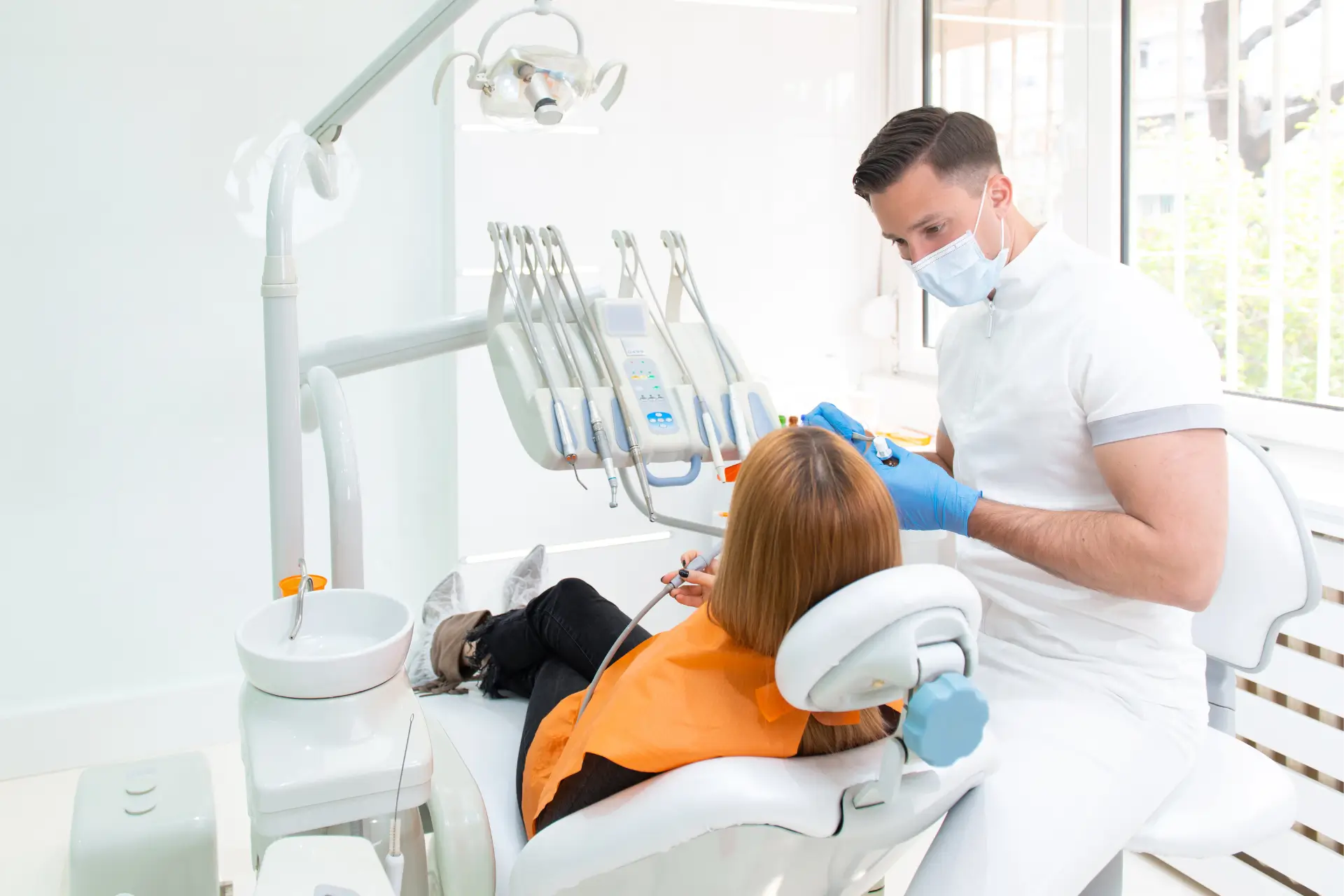
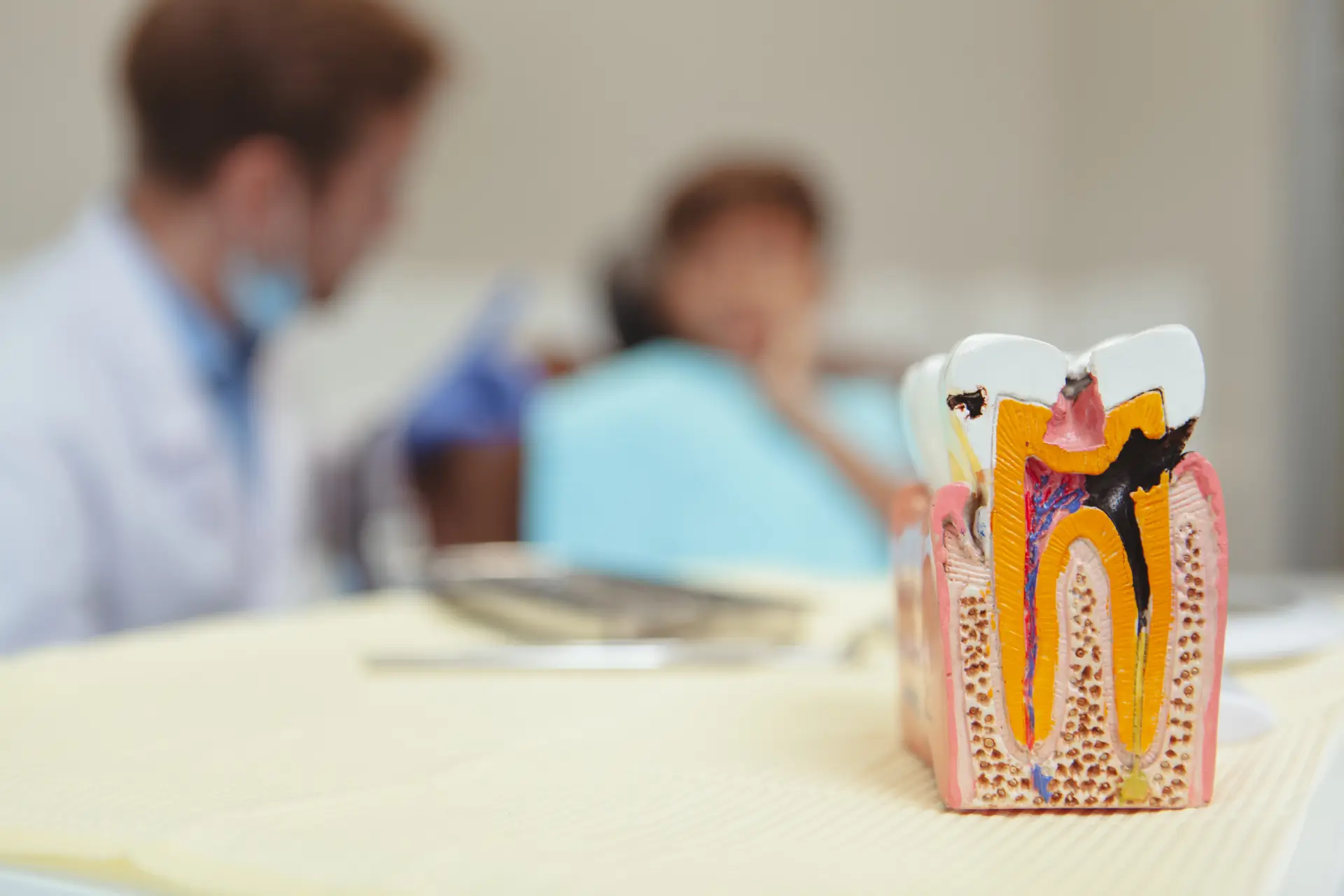
A dental emergency rarely ends when the numbness starts to wear off. For most patients, the next practical question comes fast: what can I eat, what should I avoid, and how soon can I drink coffee, soda, or something cold? Those decisions matter more than people think. The wrong meal after urgent dental care can reopen bleeding, increase pain, crack a temporary restoration, or irritate tissue that is already inflamed.
In a busy practice, this is one of the most common areas of confusion after same day treatment. A patient feels hungry, assumes soft food means anything that is easy to chew, then goes home and eats hot soup, crunchy chips, or a sandwich on the numb side. A few hours later, the extraction site is throbbing, the temporary crown feels loose, or the cheek has been bitten badly without them realizing it. Most of those setbacks are preventable.
If you recently had urgent treatment and are looking for reliable Dental Emergency Plano TX aftercare guidance, the answer depends on what was done in the chair. A tooth extraction has different rules than a filling, and a root canal with a temporary crown calls for different judgment than treatment for a soft tissue injury. Still, a few principles hold true across nearly every emergency visit: protect the treated area, avoid extremes of temperature until sensation returns, choose foods that do not require pressure, and stay hydrated without creating suction or irritation.
The first few hours matter more than the next few days
Right after treatment, your mouth is usually dealing with one https://pastelink.net/i7hnjunf or more of three things: numbness, tenderness, and freshly disturbed tissue. That combination makes ordinary eating surprisingly risky. Local anesthetic can last two to four hours, sometimes longer. During that window, it is very easy to bite your lip, tongue, or cheek while trying to chew. Adults do it more often than they admit, and children do it constantly if they are not watched closely.
Bleeding control is another reason to be careful. If you had a tooth removed or an incision drained, the clot that forms in the area is doing important work. Hot foods, vigorous rinsing, alcohol, and straws can interfere with early healing. Even if treatment did not involve surgery, chewing directly on a sore or freshly restored tooth can trigger pain before the area has settled.
A good rule is to wait until most of the numbness has worn off before attempting a full meal. If you truly need something earlier, keep it cool or room temperature, very soft, and easy to manage without chewing near the treated side. Yogurt, applesauce, pudding, a smoothie sipped carefully without a straw, or a lukewarm mashed food usually works better than trying to test your luck with something denser.
Why the type of emergency treatment changes the food advice
Emergency dentistry is not one single event. Someone may come in with a cracked molar, a knocked out filling, severe infection, facial swelling, a broken front tooth, or intense pain from an exposed nerve. The treatment can be as simple as smoothing a sharp edge or as involved as extracting a tooth and prescribing antibiotics.
That distinction matters because the mouth heals by mechanics as much as biology. If a dentist places a temporary crown, hard and sticky foods are the main threat. If the dentist drains an abscess, the issue is irritation and pressure. If the patient had an extraction, preserving the blood clot is the immediate priority. The food itself is not just fuel. It becomes part of the stress load placed on the treated area.
This is why generalized advice from friends or internet forums often causes trouble. One person says, “I ate pizza that night and I was fine.” Another swears by hot coffee right after a root canal. Those stories are not useful unless the treatment, tooth location, and healing status were similar. In practice, the safer course is always to match your diet to the procedure you actually had.
If you had a filling, bonding repair, or smoothing of a chipped tooth
These are often the easiest recoveries, but they still require judgment. If you had a composite filling placed to stop pain or restore a broken area, the material hardens quickly under the curing light. Technically, many patients can eat soon after. Realistically, if the tooth was painful before treatment, the bite may feel tender for a day or two, and chewing something hard on that tooth can be unpleasant.
With bonding on a front tooth, the bigger issue is fracture risk. Biting into crusty bread, ice, nuts, or a dense sandwich can chip the edge, especially if the repair was conservative and designed as an emergency stabilization. I often tell patients to think “fork foods” for the rest of the day. If you need utensils to break it apart, that is usually a good sign.
Temperature sensitivity can also linger. If the dentist worked close to the nerve, very cold drinks may cause a sharp response. That does not always mean something is wrong, but it is smart to avoid testing the tooth repeatedly. Many people do exactly that, taking sip after sip just to see if it still hurts. That habit tends to make the area feel worse, not better.
If you had a root canal or treatment for severe tooth pain
A root canal often relieves pressure quickly, but the tooth and surrounding ligament may remain sore for several days. This surprises people because the nerve pain may be gone, yet the tooth still feels bruised when they bite. That sensation is common after a dental emergency visit, especially when the tooth was badly inflamed before treatment.
If a temporary filling or temporary crown was placed, your food choices matter. Chewy foods such as bagels, caramel, gum, and taffy can pull at temporary materials. Hard foods such as nuts, popcorn kernels, hard taco shells, and ice can crack a weakened tooth before the permanent restoration is placed. The ideal pattern is simple: chew on the opposite side, choose softer textures, and do not treat the tooth as fully normal until your dentist says it is restored and stable.
Coffee is one of the first things patients ask about. If you are numb, wait. If the tooth is very tender, heat can be uncomfortable. If your dentist used a temporary material, very hot drinks are not usually catastrophic, but moderation is smart. Let it cool a bit. Sip rather than gulp. The goal is not perfection, just fewer setbacks.
If you had a tooth extraction
Extractions come with the strictest food and drink rules because a stable blood clot is essential for healing. When that clot is dislodged too early, the bone underneath is exposed, which can lead to severe pain commonly associated with dry socket. Not every extraction develops this problem, but when it happens, patients remember it. It is not subtle.
For the first day, aim for foods that require little or no chewing and drinks that do not involve suction. Cool to lukewarm temperatures are usually best. The site does not need challenge. It needs quiet.
Here are sensible early choices during the first 24 hours:
- yogurt, pudding, applesauce, and cottage cheese
- mashed potatoes, oatmeal, or scrambled eggs, once they are not hot
- smoothies or protein drinks taken from a cup, not a straw
- broth or blended soup after it has cooled to lukewarm
- water, diluted juice, or an electrolyte drink without carbonation if possible
Patients often assume rice is soft enough, but small grains can lodge near the extraction site and become annoying. Seeds are another common problem. So are chips, toast crust, popcorn, and anything crumbly enough to scatter through the mouth. Spicy foods can sting. Carbonated drinks can feel irritating. Alcohol can interfere with healing and does not mix well with some pain medications or antibiotics.
Smoking and vaping deserve direct mention. From a healing standpoint, the suction and chemical irritation are a poor combination after an extraction. Even patients who are otherwise careful sometimes create problems here. If you are trying to reduce the chance of dry socket, the first several days are not the time to test whether “just a few puffs” will be fine.
If you had drainage of an abscess or treatment for swelling
When infection and swelling are part of the picture, eating can be difficult even after treatment starts working. The jaw may be stiff, the gum tissue may be sensitive, and the area can feel raw. In those cases, softer foods help not just because they protect the tooth, but because they reduce strain on the jaw muscles.
Hydration becomes especially important. People with dental infections often eat and drink less than usual because swallowing or opening the mouth hurts. That can leave them feeling weak or lightheaded, especially if they are also taking medication. Plain water is usually best. If you have had very little to eat, a mild soup, yogurt, smoothie without a straw, or scrambled eggs can bridge the gap without provoking too much discomfort.
One caution here is to avoid assuming antibiotics instantly solve the problem. They can help when prescribed appropriately, but the tooth and tissues still need time to settle. I have seen patients feel slightly better, then celebrate with a burger and fries the same evening, only to wake up with more pain from mechanical irritation than they had before dinner.
Hot, cold, spicy, crunchy, chewy, sticky, acidic
Patients often ask for a clean yes or no list, but the better answer is to understand what each type of food does inside a recovering mouth.
Hot foods increase circulation and can restart oozing after surgical treatment. They also feel harsher on tender gums. Cold foods can be soothing after some procedures, but they may trigger sensitivity in teeth that were recently treated. Spicy foods irritate inflamed tissue. Crunchy foods create sharp fragments and concentrated pressure. Chewy and sticky foods tug at temporary restorations and force repeated biting. Acidic foods and drinks, including citrus juices and many sodas, can sting exposed tissue and worsen sensitivity.
That does not mean every patient must live on pudding for a week. It means each category comes with a trade-off. If your tooth was repaired but not surgically treated, a warm pasta may be perfectly manageable. If you had an extraction six hours ago, the same meal may be a bad choice because of heat and chewing demand. Context matters.
Drinks people ask about most often
Water is almost always the safest answer. It hydrates, does not stain, does not irritate much, and helps keep the mouth from feeling unpleasantly dry. Beyond that, the details start to matter.
Coffee is acceptable for many non surgical treatments once numbness fades, but temperature and sensitivity need to be considered. After an extraction, very hot coffee right away is not ideal. Let it cool. Some dentists prefer patients to avoid it for the rest of the day, especially if bleeding control has been difficult.
Tea follows similar logic. Soda is more complicated because carbonation can feel irritating and the acidity is not helpful. Sports drinks are sometimes useful if you have eaten poorly, but many are acidic and sugary, so they are better used selectively than constantly sipped for hours. Alcohol is best postponed, especially if you were prescribed medication or had any procedure involving bleeding or incision.
Straws come up constantly. After an extraction, skip them. After many other emergency treatments, they are less of a concern, but if your mouth is sore or numb, drinking from a regular cup is usually safer anyway.
The numb mouth problem that adults underestimate
One of the most preventable complications after urgent treatment has nothing to do with the tooth. It is soft tissue trauma from chewing before sensation returns. A numb lip feels normal enough until you accidentally catch it between the teeth. The same goes for the inside of the cheek or the side of the tongue. Sometimes patients do not even realize the damage until later that evening, when the anesthetic wears off and the tissue becomes painfully swollen.
This is especially common after treatment on lower teeth because mandibular anesthesia can leave the tongue and lip numb for a while. If you must eat early, choose something that can be swallowed with minimal chewing and take small bites. Better yet, wait. There are few prizes for eating immediately after a dental appointment.
Children need even more supervision. A child who has had urgent care may absentmindedly chew on a numb lip the way they might chew a fingernail. By bedtime, it can look alarming. Soft foods and close monitoring for several hours are worth the effort.
A practical timeline most patients can follow
The body does not heal by the clock, but broad timing helps. The first two to four hours are about protecting numb tissues and controlling bleeding. The rest of the first day is about soft, non irritating intake. By the second and third day, many patients can expand their diet if pain is improving and there was no extraction or major surgery. Surgical sites usually need more caution for longer. Temporary restorations need protection until definitive work is completed.
If you are ever unsure, let pain be information, not a challenge. Mild tenderness with chewing may be expected. Sharp pain, renewed bleeding, or a sense that something shifted is a sign to stop and reassess.
When eating discomfort means you should call the dentist
Not every post treatment ache signals trouble. Some soreness is normal. What matters is the pattern. A patient recovering normally can usually tell that the area is gradually calming down, even if it is still inconvenient. When symptoms intensify instead of easing, that deserves attention.
Call your dentist promptly if you notice any of the following:
- bleeding that continues or restarts heavily after you begin eating or drinking
- a temporary crown, filling, or bonded area that feels loose, high, or fractured
- increasing swelling, fever, or foul taste that suggests infection is worsening
- severe pain after extraction, especially on day two or three, that does not improve with medication
- inability to drink enough fluids because of pain, tightness, or persistent nausea
For anyone searching online for Dental Emergenc help after urgent care, these are the moments when generic advice stops being enough. The office that treated you knows what was done and can tell you whether you need a check, an adjustment, or simply a change in home care.
What a sensible first day of meals can look like
Patients often do better with examples than with rules. If you had a non surgical emergency repair and your numbness has worn off, breakfast the next morning might be scrambled eggs and oatmeal, lunch could be pasta or a soft rice bowl if the site tolerates it, and dinner might be flaky fish, cooked vegetables, or a tender casserole. If you had an extraction, make that progression slower and gentler. Think yogurt in the morning, mashed potatoes or lukewarm soup later, then other soft foods as comfort allows.
The exact menu matters less than the mechanics. You are trying to avoid pressure, scraping, suction, and heat while still getting enough calories and fluid to recover. That is the balance. A patient who eats almost nothing because they are afraid to irritate the area may feel worse overall than one who chooses a few nourishing soft foods and stays hydrated.
Protein helps, especially after a stressful dental event. So do bland carbohydrates that are easy on the stomach if you are taking pain medication. If antibiotics were prescribed and they upset your stomach, eating a small soft meal first often makes them easier to tolerate, though you should follow the directions provided with the medication.
Temporary restorations require a little discipline
Emergency dentistry often buys time. The tooth is stabilized, pain is controlled, infection is addressed, but the final crown, definitive filling, or long term plan may still be ahead. That is where people get into trouble. The tooth feels “better,” so they return to normal habits too early.
Temporary crowns and fillings are useful, but they are not built for abuse. Sticky candy, chewing gum, crusty pizza edges, and hard granola are common offenders. So is clenching, which many people do without noticing, especially at night after a stressful day. If a temporary comes out while eating, do not keep testing the area with your tongue or trying to chew on it. Call the office. Sometimes it can be re cemented simply if handled quickly.
The local factor in Plano matters less than the biology, but follow the office that treated you
Whether you received urgent care in Plano or anywhere else, the biology of healing is the same. What changes from patient to patient is the specific treatment and the dentist’s direct observations. If the office gave you written instructions that differ slightly from general advice, follow the instructions for your case. The dentist may have seen factors you cannot, such as a difficult extraction, fragile gum tissue, a deep crack, or a temporary restoration placed under less than ideal conditions because the primary goal was to get you comfortable.
That is the real heart of aftercare. Good recovery is rarely about a perfect food list. It is about reading the situation clearly, respecting the treated area, and making choices that support healing instead of challenging it. Eat softly, drink wisely, and give the mouth a little room to recover. That restraint usually pays off faster than people expect.
Vitality Dental
Address: 1220 Coit Rd #106, Plano, TX 75075
Phone number: +19726454100
FAQ About Dental Emergency Plano TX
What can the ER do for a tooth?
An emergency room (ER) can manage pain and treat severe infections with medication, but it cannot fix or pull a tooth.
What is considered a dental emergency?
A dental emergency is any oral health problem that involves severe pain, uncontrollable bleeding, or an infection that threatens your health or requires immediate care to save a tooth.
Is there a 24-hour dental service in Plano, TX?
There is no physical dental clinic in Plano, Texas, that stays open with walk-in staff 24 hours a day, but several offices offer 24/7 phone support, late-night hours, or same-day emergency care.