Dental Crowns for Back Teeth: Strength, Fit, and Function

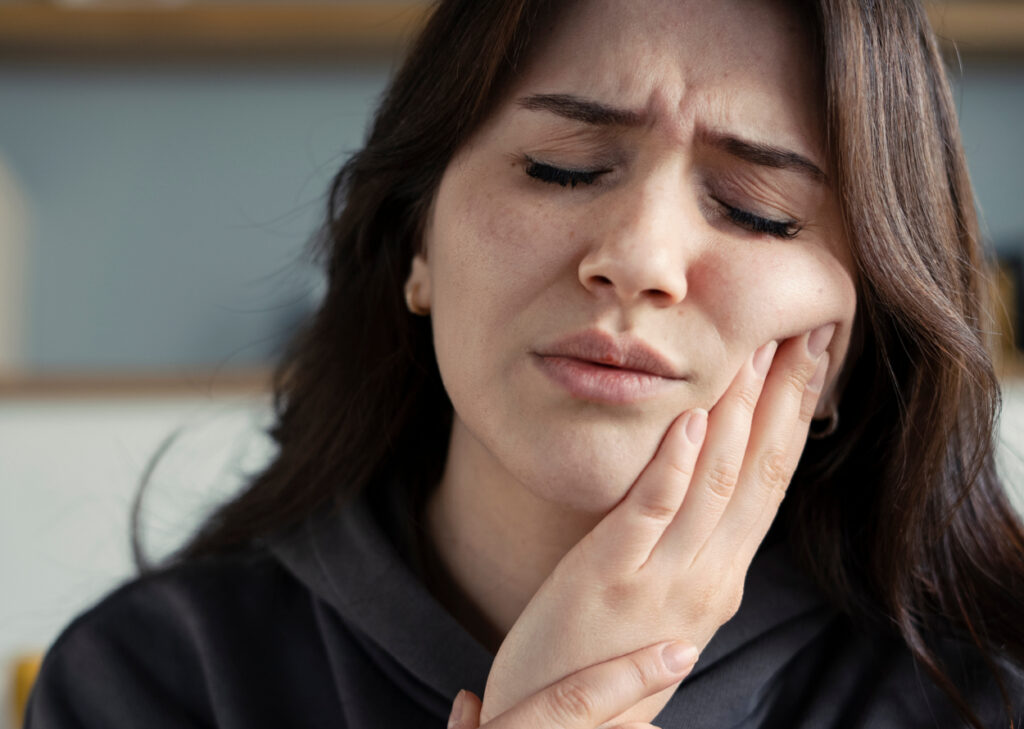

Back teeth do most of the hard labor in the mouth. Molars and premolars grind fibrous vegetables, crush nuts, break down meat, and absorb the force of clenching, chewing, and sometimes nighttime grinding. When one of those teeth is badly cracked, heavily filled, root canal treated, or worn down, a simple filling often stops being enough. That is where dental crowns become part of the conversation.
A crown for a back tooth is not just a cap placed over a damaged tooth. It is a structural restoration that has to balance three demands at once: it must be strong enough to survive years of heavy bite forces, precise enough to fit without irritating the gum or trapping food, and shaped well enough to let the jaw function comfortably. If any one of those factors is off, patients notice. Food packs between teeth. The bite feels high. A dull ache appears when chewing. The crown may technically stay on, but it never really feels right.
When patients ask whether a crown is “worth it” for a molar, the answer usually comes down to how much healthy tooth remains and how much stress that tooth has to carry. In back teeth, the stakes are practical. These teeth are not on display in the same way front teeth are. They need to work, and they need to keep working under load.
Why back teeth need a different level of planning
Crowns on front teeth often start with esthetics. Shade, translucency, and smile symmetry lead the discussion. Crowns on back teeth are more engineering driven. Strength and contour matter more than cosmetics, though appearance still counts. A molar crown has to sit in a harsh environment. Saliva, temperature changes, sticky foods, acidic drinks, and repeated compression all test the material and the underlying tooth.
A healthy adult can generate significant bite force in the molar region. Exact numbers vary with age, sex, muscle activity, and whether someone clenches or grinds, but the posterior bite is far stronger than what the front teeth handle. That is why a back tooth with a large old filling can suddenly split while chewing something as ordinary as crusty bread or a handful of almonds. The tooth may have been weakened for years before the fracture finally showed up.
Dentists see a common pattern with large fillings in molars. At first, the filling solves the cavity problem. Over time, each replacement filling tends to get bigger, because recurrent decay or marginal breakdown requires removing a little more tooth structure. Eventually, the remaining cusps become thin and flex under pressure. At that point, a crown is less about patching damage and more about preventing a predictable fracture.
Root canal treated back teeth deserve special mention. Once the inflamed or infected pulp is removed, the tooth can remain useful for many years, but the access opening and any prior decay often leave the crown of the tooth significantly weakened. Not every root canal tooth needs immediate full coverage, but many molars do better long term when cusps are protected.
What a crown is actually doing on a molar
A well-made crown redistributes biting force over the remaining tooth. It covers weakened cusps, seals vulnerable margins, restores the original shape of the chewing surface, and helps maintain spacing with neighboring teeth. That last point is easy to overlook until it goes wrong. Even a beautifully strong crown can become a nuisance if it allows food to wedge between teeth because the contact point is too light or placed incorrectly.
Patients often imagine the crown as the whole treatment. Clinically, the real success depends just as much on the foundation underneath. If decay remains, the core buildup is weak, the tooth is cracked below the gumline, or the gum tissue is inflamed and bleeding during the impression stage, the final result becomes harder to predict. Crowns reward careful groundwork.
There is also a difference between simply placing a crown and designing one that functions naturally. The anatomy of a back tooth matters. Cusps need the right height. Grooves should not be carved so deeply that they create weak porcelain ridges, but they cannot be so flat that chewing feels awkward. The crown has to meet the opposing tooth in a way that lets food be broken down efficiently without creating a single destructive high spot.
Strength is not just about the material
Patients often ask which crown material is “the strongest,” as if the answer alone will settle the decision. Material matters, but strength is a system property. A durable molar crown depends on the crown material, the thickness available, the way the tooth was prepared, the bonding or cementation method, the patient’s bite pattern, and whether parafunctional habits such as grinding are present.
A zirconia crown has an excellent reputation in posterior dentistry because it is tough and generally handles high load well. That reputation is deserved, especially for many back tooth situations. Still, even zirconia can fail if the bite is poorly adjusted, if the crown is made too thin in critical areas, or if the underlying tooth fractures. On the other side, porcelain fused to metal crowns have served patients reliably for decades and remain useful in selected cases, though they may show wear, gumline shadowing, or porcelain chipping over time. Gold, while less common today for obvious cosmetic reasons, has one of the best long term track records for posterior function because it is kind to opposing teeth and can be milled or cast with remarkable precision in thin sections.
The strongest-looking option is not always the best option. Someone who grinds heavily at night may do well with monolithic zirconia, but if the opposing teeth are already worn or fragile, the dentist has to think carefully about occlusion and surface finish. A patient with limited opening, deep margins, or a short clinical crown may present retention challenges that make one design preferable over another.
In practice, the conversation is usually less about chasing the strongest material in the abstract and more about matching material to the specific tooth.
Common crown choices for back teeth
For most posterior cases, the practical discussion centers on a small group of materials:
- Monolithic zirconia, valued for high strength and increasingly common for molars and premolars.
- Porcelain fused to metal, still useful when strength and conventional cementation are priorities.
- Full cast gold or other high noble alloys, excellent functionally, though less acceptable cosmetically for many patients.
- Lithium disilicate in selected premolars or lower stress situations, especially when appearance matters and enough thickness is available.
That short list covers the majority of routine decisions. The right choice depends on the amount of remaining tooth, the available space between upper and lower teeth, the visibility of the tooth when smiling, and the patient’s habits. A second molar hidden far back in the mouth invites a different decision than a first premolar visible in conversation.
Fit is where many crown problems begin or end
A crown can be made of an excellent material and still fail the patient if the fit is poor. Fit includes several things that patients may not have words for but can definitely feel. There is the margin, where the crown meets the tooth. There is the contact with neighboring teeth. There is the bite relationship with the opposing arch. There is also the internal adaptation, which affects how fully the crown seats and how the cement layer behaves.
When a crown margin is rough, open, or overhanging, plaque builds up more easily and gum tissue often stays irritated. Patients may report bleeding during brushing around “that one crown.” Sometimes the problem is not the crown itself but the location of the margin. Deep subgingival margins can be necessary in some situations, but they are harder to capture accurately and harder for patients to clean. If there is a way to keep the finish line more accessible without compromising the tooth, that usually helps long term maintenance.
The contact point with the neighboring tooth deserves more respect than it often gets in casual discussion. Too tight, and floss shreds or snaps uncomfortably. Too open, and food packing becomes a daily annoyance. That is not a small quality of life issue. Chronic food impaction around a back tooth can inflame the gum, contribute to bone loss between teeth, and make patients regret a crown that otherwise looks acceptable on an X-ray.
Then there is the bite. A crown that is even slightly high may cause soreness when chewing, temperature sensitivity, or a vague sense that the teeth are “hitting first” on one side. Some patients adapt to small discrepancies. Others can detect an imbalance that is barely visible clinically. In people who clench, a high spot can become a focal point for real discomfort very quickly.
What “good function” feels like to a patient
Most successful molar crowns disappear from awareness after a short adjustment period. That is the goal. Patients should not need to think about the crown while eating. They should be able to chew steak, apples, rice, or toasted bread without guarding one side of the mouth. Floss should pass with a little resistance, not slam through or tear. The gum should stay calm. The crown should feel like a tooth, not like a foreign object that keeps announcing itself.
A useful phrase in practice is that teeth need “freedom with control.” A back tooth crown should make stable contacts when the patient bites together, but it should not drag heavily during side to side or forward movements if the patient’s bite pattern does not call for that. Overloaded excursions are a common source of chipped porcelain, sore teeth, and muscle fatigue.
Small design choices make a big difference. A crown with excessively steep cusps may look crisp on a model but can act like a wedge under chewing load. A crown made too flat may reduce concentrated force, yet it can compromise chewing efficiency and alter the way the patient positions the jaw. Experience shows up in these decisions. Dentistry rarely rewards extremes.
When a crown is the right answer, and when it is not
Not every large filling needs a crown immediately, and not every damaged back tooth can be saved with one. Judgment matters more than formulas.
A crown is often appropriate when a tooth has lost enough structure that the remaining cusps are at risk of fracture, when a crack extends through a cusp but remains restorable, when a root canal treated molar has significant structural loss, or when an old restoration keeps failing because there is not enough sound enamel and dentin left to support another direct filling. In these situations, the crown gives the tooth a better chance of surviving function.
There are also cases where a crown is not the best investment. If decay extends too far below the gumline and cannot be predictably managed, if a vertical root fracture is present, if periodontal support is poor, or if the tooth has so little remaining structure that retention is doubtful without heroic measures, extraction and replacement options may be more realistic. Patients do better when the limitations are stated plainly at the beginning, not after money and time have already been spent.
One of the hardest conversations comes with cracked teeth. Some cracks are shallow and manageable. Others run in ways that no scan, X-ray, or visual exam can fully map in advance. A crown can protect many cracked molars and relieve symptoms, but it is not a magic seal over every crack. Occasionally a tooth continues to hurt after crowning because the crack extends into the root or the pulp becomes irreversibly inflamed. Experienced dentists try to explain that uncertainty upfront, especially when the crack lines are suspicious.
The preparation stage matters more than patients realize
A crown appointment can look deceptively routine from the chair. The tooth https://edwinyjgq821.iamarrows.com/how-to-clean-around-dental-crowns-properly is numbed, shaped, scanned or impressed, temporized, and later the final crown is cemented. Yet each step involves small technical decisions that affect longevity.
The tooth has to be reduced enough to create space for material without sacrificing unnecessary structure. That balance is not trivial. Underprepare, and the lab may produce a thin or overcontoured crown. Overprepare, and retention and pulpal health can be compromised. Draw, taper, margin geometry, and clearance all matter.
Modern digital scanning has improved many workflows, especially for single posterior crowns. It can be faster, more comfortable, and very accurate when soft tissue control is good. Traditional impressions still have value, particularly in difficult subgingival cases or when a clinician gets a better result with a conventional approach. The tool is less important than the quality of the record.
Temporary crowns deserve more credit than they get. A poor temporary can leave a patient miserable for two weeks, with sensitivity, drifting contacts, or inflamed tissue that makes seating the final crown more difficult. A good temporary protects the tooth, preserves position, and gives a preview of how the bite and contours will feel.
Cementation, bonding, and why protocol counts
Many patients understandably think the crown is simply “glued on.” The reality is more specific. Different materials and preparations call for different luting strategies. Some crowns are conventionally cemented. Others benefit from adhesive bonding. Moisture control, surface treatment, and cleanup all influence the result.
A back tooth crown that debonds repeatedly is often a sign that something in the system is off. The tooth may be too short or too tapered. The material may have been chosen without enough regard for the preparation form. The internal surface treatment may have been inadequate. This is one reason why crown dentistry can look straightforward in marketing language yet still demand a fair amount of technical discipline in practice.
The role of the bite after placement
The day a crown is cemented is not the end of the job. The first few days of function provide information no model can fully predict. Patients notice whether they are favoring the area, whether floss feels right, and whether the jaw settles comfortably. A small bite adjustment is sometimes needed after the tooth and surrounding tissues stop being numb and the patient bites naturally.
This follow up period is especially important for people who grind their teeth. The crown may hold up well while the opposing tooth, the surrounding bone, or the jaw muscles tell a different story. For those patients, a night guard can protect not just the new crown but the entire restorative investment. It is easy to dismiss this as optional until one sees what heavy bruxism does over a few years: fractured porcelain, flattened anatomy, craze lines in natural teeth, and recurring soreness.
How long do posterior crowns last?
Patients want a number, and dentists know better than to promise one with too much confidence. Many back tooth crowns serve well for ten years or longer. Some fail much earlier, and some remain functional for decades. Longevity depends on the original condition of the tooth, the quality of the crown and cementation, oral hygiene, diet, caries risk, bite forces, and regular maintenance.
The crown itself is not always the weak link. Secondary decay at the margin is a common reason crowns need replacement. So is fracture of the underlying tooth. A technically sound crown can be removed not because the material wore out, but because the tooth changed around it.
Patients sometimes assume a crown makes a tooth immune to cavities. It does not. The exposed root surface and the margin where crown meets tooth can still decay, especially in dry mouth patients, frequent snackers, or those with inconsistent home care. That is why a beautifully cemented molar crown still needs daily cleaning and periodic review.
Signs a back tooth crown may need attention
A crown does not have to fall off to be failing. Certain symptoms justify a closer look:
- Pain on biting or release of pressure.
- Recurrent food trapping between the crowned tooth and its neighbor.
- Bleeding or chronic tenderness at the gumline around the crown.
- A bite that feels high, shifted, or suddenly different.
- Visible fracture, looseness, or a new bad taste around the tooth.
Some of these issues are minor and fixable with adjustment or polishing. Others point to deeper problems such as recurrent decay, cement washout, root fracture, or periodontal involvement. The earlier they are assessed, the more options usually remain.
The patient side of success
Patients have more influence over crown longevity than they sometimes realize. The fundamentals are not glamorous, but they matter. Good brushing at the gumline, consistent flossing or interdental cleaning, avoiding chewing ice or hard objects, wearing a night guard if recommended, and keeping recall visits all improve the odds that a posterior crown will last.
Dry mouth deserves special mention because it quietly raises risk. Patients taking certain antidepressants, antihistamines, blood pressure medications, or other long term prescriptions may have less saliva and higher cavity rates around crown margins. In those cases, fluoride strategies and diet counseling can be just as important as the crown material selected.
Diet also has a mechanical side as well as a decay side. The occasional hard crust is not a problem for most people. Habitually cracking shells, chewing pens, or opening packages with teeth is another story. Back teeth are strong, but they are not tools.
Cost, value, and the long view
A molar crown is not a small purchase, and patients are right to weigh cost carefully. The immediate comparison is often crown versus filling. The better comparison is usually crown now versus filling now plus a higher chance of fracture, root canal treatment, extraction, or replacement later. That does not mean every tooth needs the more expensive option. It means the least expensive visit today can become the most expensive path over time if the tooth is already structurally compromised.
Value also includes comfort and predictability. A well planned crown that restores a stable bite and reliable chewing function can remove a low level daily stress patients may have normalized. Many people do not realize how much they have been chewing on one side until the restored tooth starts working properly again.
What experienced clinicians watch for
The details that separate average posterior crown work from excellent posterior crown work are often subtle. Experienced dentists watch the ferrule on an endodontically treated tooth, the thickness of the remaining walls, the quality of isolation, the position of the margin relative to bone and gum, the patient’s envelope of function, and signs of parafunction that may not be obvious in casual conversation. They ask about habits, not just symptoms. They examine wear patterns. They evaluate whether the patient tends to break restorations or simply develop decay.
That broader view matters because Dental Crowns do not function in isolation. They live inside a chewing system. The crown, the neighboring teeth, the opposing arch, the periodontal tissues, and the muscles all interact. When the plan respects that whole system, the result tends to feel uneventful in the best possible way.
A back tooth crown succeeds when it restores confidence more than it attracts attention. The patient stops thinking about the cracked molar, the shifted bite, or the side they have been avoiding. They eat normally. They clean normally. The tooth returns to the quiet service expected of a healthy molar. For a restoration tucked far from view, that kind of invisibility is the mark of very good dentistry.
Oxnard Dentistry
Address: 1730 E Gonzales Rd, Oxnard, CA 93036
Phone number: +18056049999
FAQ About Dental Crowns Oxnard CA
How long do crowns last on teeth?
Dental crowns typically last 10 to 15 years, but can last 20 to 30 years with excellent oral hygiene. Lifespan depends heavily on the crown material, your daily brushing and flossing habits, and whether you clench or grind your teeth.
What is the downside of crowns on teeth?
The primary downside of dental crowns is that the preparation process is irreversible. To properly fit a crown, a dentist must permanently shave down a significant portion of your natural tooth enamel. This exposes the tooth to potential risks like nerve inflammation, increased sensitivity, and structural weakening.
Why do dentists push for crowns?
Dentists often recommend crowns to save a structurally compromised tooth. If a tooth is heavily cracked, worn down, or has a cavity too large for a filling, a filling will not provide enough structural support, causing the tooth to eventually split. Crowns act like protective helmets, preventing tooth loss.